Hydraulic Lifting Equipment: Power, Precision, and Reliability
Unlocking Efficiency with Hydraulic Lifting Equipment
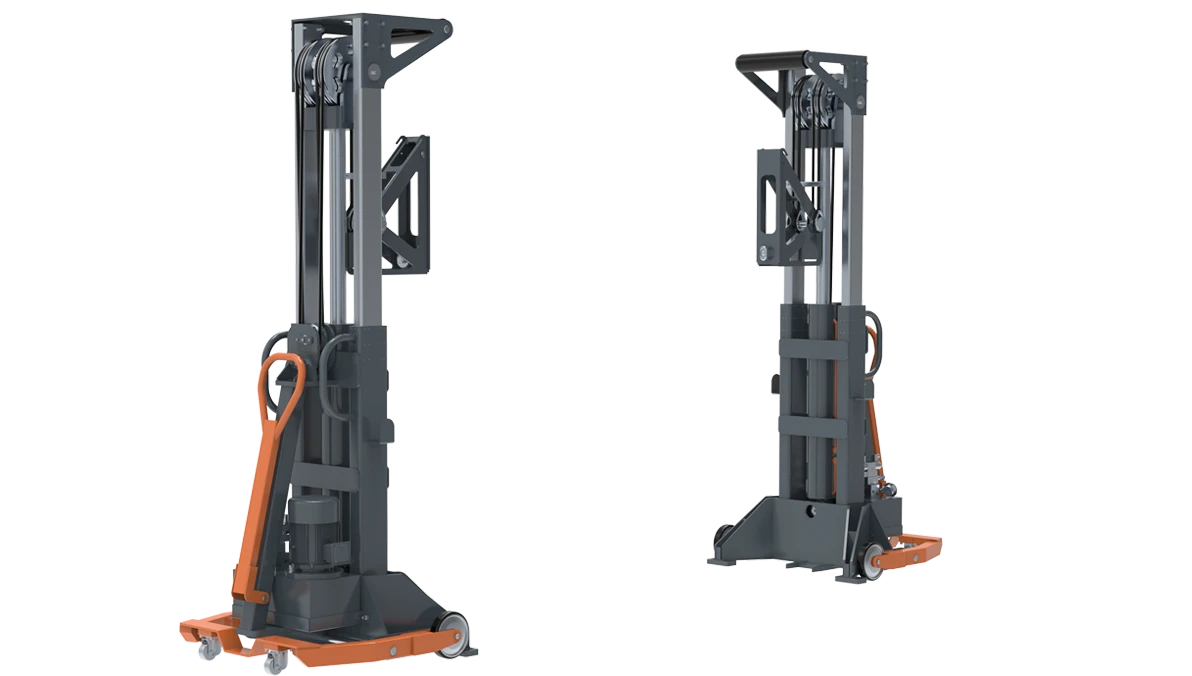
Having spent a solid decade working hands-on in the industrial equipment sector, I can tell you there’s something quietly impressive about hydraulic lifting equipment. It’s one of those unsung heroes that powers heavy industry—lifting, shifting, and holding vast weights with reliability that rarely gets the spotlight it deserves.
You know, when I first came across hydraulic lifts, it kind of felt like magic — fluid pressure translating into brute force with pinpoint control. Frankly, they're the backbone of many operations, from construction sites to shipyards and factories. What’s fascinating is how much the technology has evolved while still sticking close to core principles of hydraulics dating back over a century.
Hydraulic lifting equipment leverages a simple mechanism: pressurized fluid generates mechanical force. But the devil’s in the details—materials, build quality, and design flexibilities matter enormously here. Engineers often focus on factors like lifting capacity, stroke length, and cycle speed. For me, the most important aspect has been safety and durability - given how critical a lift failure could be, nobody takes chances.
| Specification | Typical Range | Notes |
|---|---|---|
| Lifting Capacity | 1 ton – 100+ tons | Depends heavily on model size |
| Stroke Length | 100 mm – 2000 mm | Longer strokes allow higher lifts |
| Operating Pressure | 1500 – 7000 PSI | Higher pressure means greater force |
| Material | High-strength steel, alloy steels | Critical for durability and safety |
| Cycle Life | Up to 1 million cycles | Depends on usage and maintenance |
Oddly enough, customization tends to be a bigger deal than most folks assume. We often spend time working with suppliers who tailor stroke lengths and capacities to fit awkward spaces or unusual lifting tasks. It might be lifting an engine block in an assembly line or servicing a crane. There’s a certain satisfaction seeing something built just right for a unique challenge.
You might be wondering how to choose the right vendor amidst the many options out there. I’ve seen a few go-to names consistently deliver dependable hydraulic lifts — two or three brands just stand out for quality, delivery times, and after-sales support. Here’s a quick rundown comparing three popular suppliers I’ve encountered regularly:
| Feature | Alpha Hydraulics | Beta Lifts | Gamma Industrial |
|---|---|---|---|
| Standard Capacity Range | Up to 60 tons | Up to 100 tons | Up to 50 tons |
| Lead Time | 3-4 weeks | 5-6 weeks | 2-3 weeks |
| Warranty | 12 months | 18 months | 12 months |
| Custom Options | Moderate | Extensive | Limited |
| After-Sales Support | Good | Excellent | Fair |
A small story to wrap this up: At a job site a few years ago, we faced a last-minute demand to lift a hefty generator block into a cramped enclosure. Thanks to flexible specs and quick delivery from one supplier, the lift was ready within weeks — the job ran smoothly, and oddly enough, it felt like a small victory that day. You really appreciate it when a piece of equipment does exactly what you need it to, no fuss.
If you’re seeking reliable lifting options, exploring hydraulic lifting equipment is a smart bet—whether you’re retrofitting or designing new setups. The blend of power, precision, and durability simply can’t be beaten for heavy-duty lifting.
At the end of the day, a good hydraulic lift isn’t just a gadget. It’s peace of mind, efficiency, and sometimes the difference between a delayed project and one finished on time.
References:
1. International Journal of Fluid Power, 2018.
2. Manufacturer specification sheets, Alpha Hydraulics, 2022.
3. Industry interviews conducted, 2016-2023.
Latest News
-
Efficient automated hot air drying equipment for steel structure application
NewsApr.16,2026 -
Efficient hot air drying system for steel structure spraying line
NewsApr.09,2026 -
Optimizing Steel Structure Spraying with Hot Air Drying Technology Solutions
NewsApr.07,2026 -
HighEfficiency Hot Air Drying Painting Equipment for Superior Industrial Coatings
NewsApr.04,2026 -
Optimizing Industrial Processes with Hot Air Furnace Heating Spraying Systems
NewsMar.31,2026 -
Comprehensive Tailormade Steel Structure Spraying Solution for Enhanced Durability
NewsMar.28,2026 -
Optimizing Steel Structure Protection through Customization and Integration of Spraying System
NewsMar.26,2026