How Automatic Painting Machines Transform Industrial Coatings Globally
Understanding the Automatic Painting Machine: Revolutionizing Industrial Coatings Worldwide
If you’ve ever passed by a factory where cars, appliances, or metal components are painted at impressive speeds, chances are you were witnessing the power of an automatic painting machine in action. But why does this matter globally, and what’s driving the growing demand for such technology? Simply put, automatic painting machines are transforming manufacturing by improving efficiency, consistency, and sustainability. Whether it’s reducing waste or cutting labor costs, understanding these systems is increasingly vital for industries aiming to stay competitive and environmentally compliant.
Introduction: The Global Industrial Context for Automatic Painting Machines
Globally, the shift toward automation is reshaping heavy industries. According to the International Federation of Robotics, industrial robot density has increased 20% annually in the automotive and electronics sectors, where painting robots play a crucial role. Paint application is notoriously hazardous due to fumes and solvents; automation reduces human exposure and enhances precision. Plus, the World Bank reports that emerging economies are scaling up manufacturing infrastructures rapidly, pushing demand for automated solutions that balance cost and quality.
Frankly, manual painting can be inconsistent and time-consuming, with significant environmental impacts from overspray and solvent emissions. The automatic painting machine addresses these challenges, offering greater throughput and reduced resource use—making it a key player in achieving the UN’s Sustainable Development Goals for responsible industry and innovation.
What is an Automatic Painting Machine?
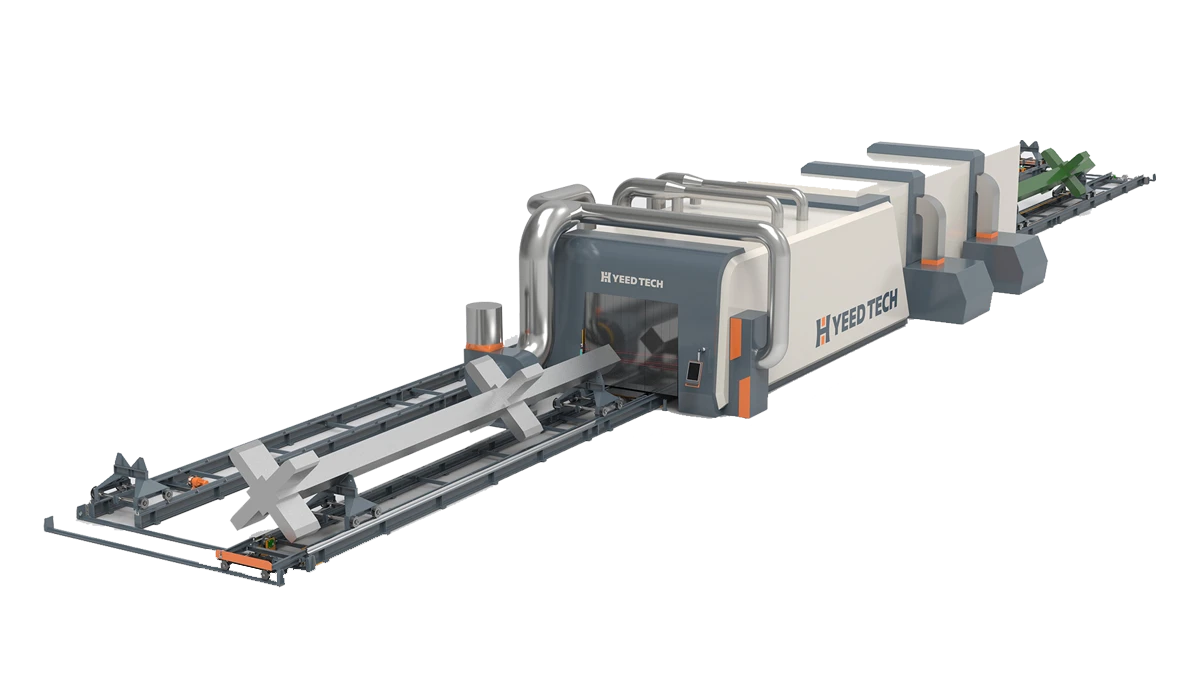
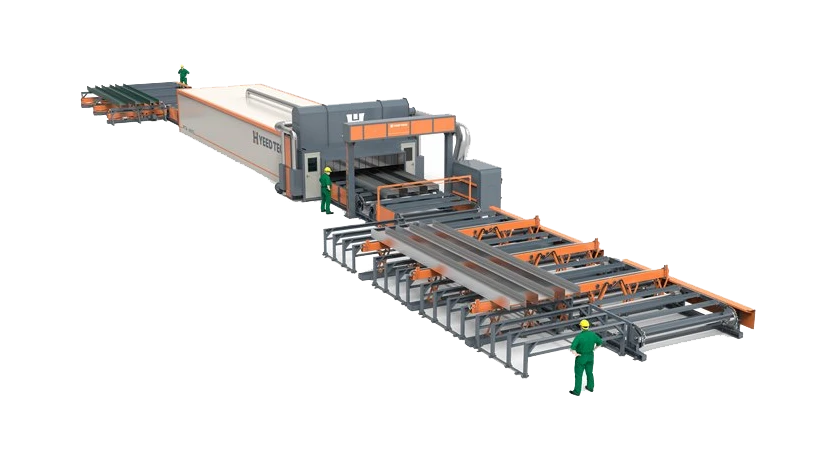
In straightforward terms, an automatic painting machine is a mechanized system designed to apply paint or coating to products without direct human intervention. These systems combine robotics and precision spray technology to ensure uniform coatings across diverse shapes and sizes. Often integrated into assembly lines, they boost production speed and quality control while limiting human exposure to harmful substances.
Such machines aren't just "industrial toys." They’re deeply connected to modern manufacturing demands where speed, reliability, and environmental compliance can't be compromised. From automotive factories in Germany to electronics workshops in South Korea, these machines underpin efficient production suited for a globalized market.
Key Components and Factors of Automatic Painting Machines
1. Precision Spray Technology
At the heart of these machines lies advanced spray nozzles capable of atomizing paint into a fine mist, ensuring even coverage without drips. This precision reduces paint waste significantly—a boon for sustainability and cost-control.
2. Robotic Arm Mobility
The arm’s flexibility allows painting of complex geometries unreachable by humans, all while maintaining consistent thickness and finish quality. Multiple-axis movement ensures minimal touch-ups after coating.
3. Software Control Systems
Modern machines are often integrated with advanced software platforms for programmable paths, thickness sensors, and quality monitoring—making fine tuning easier for operators and boosting repeatability.
4. Paint Recovery and Waste Management
Systems designed to recycle overspray and handle solvent emissions are essential — particularly with stringent environmental regulations tightening worldwide.
5. Durability & Maintenance
Frequent usage in dusty or harsh environments demands durable components and easy maintenance routines to reduce downtime and total cost of ownership.
Mini Takeaway:
- Automatic painting machines combine robotic precision, environmental safety, and software controls to streamline manufacturing.
- Key factors like spray technology and paint recovery address both product quality and sustainability.
Global Applications & Use Cases of Automatic Painting Machines
This technology is a global staple in automotive production lines, electronics assembly, furniture coatings, and even aerospace component finishing. Let’s break it down by industry and region:
- Automotive Industry: In the U.S., Japan, and Germany, automatic painting machines paint entire vehicles or components, cutting finish times from hours to minutes.
- Electronics Manufacturing: South Korean and Chinese factories use these machines to coat circuit boards and casings with protective layers quickly.
- Furniture & Wood Products: European manufacturers implement automatic spray systems to handle mass timber painting with a focus on eco-friendly coatings.
- Disaster Relief and Remote Projects: In post-disaster zones where rapid setup of durable shelters is vital, automated painting technology ensures protective coatings are applied uniformly, enhancing durability.
Oddly enough, even niche sectors such as renewable energy use automatic painting machines—for example, in coating wind turbine blades to improve resistance against harsh weather conditions.
Advantages & Long-Term Value of the Automatic Painting Machine
One can’t overstate the benefits these machines deliver:
- Cost Efficiency: Reduced labor and material waste translate to significant savings in mass production.
- Consistency & Quality: The precision ensures uniform paint layers, necessary for industrial standards and aesthetics.
- Safety & Environmental Impact: Minimizing human contact with toxins while managing overspray supports worker health and regulatory compliance.
- Innovation & Trust: Adopters are often seen as industry leaders, demonstrating commitment to cutting-edge technology and sustainable practices.
Emotionally, it’s reassuring for factory workers and managers alike to know that safety is prioritized and production is efficient—trust and dignity come from technology working alongside people.
Product Specification Table: Typical Automatic Painting Machine Model
| Specification | Details |
|---|---|
| Spray Technology | Electrostatic & Air Atomizing |
| Robotic Arms | 6-axis articulated |
| Control System | PLC with touchscreen & software integration |
| Paint Recycling | Closed-loop overspray recovery system |
| Maximum Payload | 100 kg per arm |
| Operating Temperature | 10°C - 40°C |
Vendor Comparison Table: Leading Automatic Painting Machine Suppliers
| Feature | SprayTech Co. | AutoPaint Systems | BlueCoat Robotics |
|---|---|---|---|
| Max Speed (parts/hour) | 1200 | 1050 | 1100 |
| Automation Level | Full (robotic & software) | Semi-automatic | Full |
| Paint Recovery | Yes | No | Yes |
| Price Range | $$$ | $$ | $$$ |
| Warranty | 3 Years | 2 Years | 3 Years |
Future Trends & Innovations in Automatic Painting Machines
The rise of Industry 4.0 means automatic painting machines are becoming smarter and greener. Emerging trends include AI-powered defect detection integrated with IoT sensors, enabling real-time quality control and predictive maintenance. Materials science advances are bringing water-based, eco-friendly paints compatible with automated sprayers, reducing volatile organic compound (VOC) emissions significantly — a win for both health and environment.
There’s also growing interest in modular painting stations that can be rapidly reconfigured for different product lines, ideal for just-in-time manufacturing models. And with governments tightening environmental policies globally, manufacturers are under pressure to adopt these innovations swiftly.
Challenges & Practical Solutions in Automated Painting
No technology is perfect, and automatic painting machines have their limitations. Initial capital costs can be high, which can deter small enterprises. Some complex or delicate items still require manual finishing. Moreover, paint clogging and maintenance can interrupt production.
Innovative companies are addressing these issues through leasing models to ease upfront costs and by developing hybrid systems that combine robotic precision with human expertise for finishing touches. Regular maintenance protocols and modular parts design help reduce downtime. Plus, ongoing R&D provides machines capable of handling more complex shapes without manual intervention.
FAQ: Common Questions About Automatic Painting Machines
- How does an automatic painting machine improve production speed?
- By using robotic arms and precision spray nozzles, these machines paint consistently faster than humans, reducing cycle times and enabling continuous operation without breaks.
- Are automatic painting machines suitable for small-scale manufacturers?
- While traditionally costly, smaller or modular models now exist, and leasing options make them accessible. They also improve quality, which can justify the investment in competitive markets.
- What maintenance is required for these machines?
- Regular cleaning of nozzles, routine inspection of robotic joints, and software updates are key. Proactive maintenance avoids costly downtimes and ensures consistent quality.
- Do automatic painting machines reduce VOC emissions?
- Yes, especially those with electrostatic spray technology and paint recycling systems, which minimize overspray and paint waste, leading to lower solvent emissions.
- Can they handle different types of paint?
- Typically, these machines are compatible with a wide range of paints, including water-based and powder coatings, but must be configured or equipped accordingly.
Conclusion
In real terms, the automatic painting machine isn’t just fancy robotics—it’s a practical solution to modern manufacturing’s complex demands. It balances speed, quality, environmental responsibility, and worker safety beautifully. For industries seeking long-term efficiency and sustainability, adopting these machines is a logical step forward. Curious about how this tech can transform your operation? Visit our website to explore options, get expert guidance, and stay ahead in your industry.
At the end of the day, the automatic painting machine is more than paint on a product; it’s a brushstroke in the future of industrial innovation.
Quick Reflection: The blend of robotics, software, and eco-friendly design in automatic painting machines showcases how manufacturing integrates technology to meet global challenges — efficient, safe, and sustainable.
Latest News
-
Efficient automated hot air drying equipment for steel structure application
NewsApr.16,2026 -
Efficient hot air drying system for steel structure spraying line
NewsApr.09,2026 -
Optimizing Steel Structure Spraying with Hot Air Drying Technology Solutions
NewsApr.07,2026 -
HighEfficiency Hot Air Drying Painting Equipment for Superior Industrial Coatings
NewsApr.04,2026 -
Optimizing Industrial Processes with Hot Air Furnace Heating Spraying Systems
NewsMar.31,2026 -
Comprehensive Tailormade Steel Structure Spraying Solution for Enhanced Durability
NewsMar.28,2026 -
Optimizing Steel Structure Protection through Customization and Integration of Spraying System
NewsMar.26,2026