High-Performance Structural Coating | Durable Steel Protection
Elevating Asset Durability: The Critical Role of Advanced Structural Coating Systems
In the realm of heavy industry, the longevity and operational integrity of steel structures are paramount. Exposure to harsh environments, corrosive agents, and extreme weather conditions necessitates robust protective measures. This is where advanced structural coating solutions become indispensable. Far beyond mere aesthetics, these specialized coatings provide a critical barrier, significantly extending the service life of assets, reducing maintenance costs, and ensuring compliance with stringent safety and environmental standards. Our focus today is on the comprehensive engineering and application of these sophisticated protective layers, particularly within heavy steel structure painting lines designed for maximum efficiency and performance.
The demand for durable and efficient protective systems is escalating across sectors like petrochemical, marine, energy, and infrastructure. Investing in a high-quality structural coating system is not just a cost, but a strategic asset protection decision that yields substantial long-term returns through enhanced reliability and reduced operational expenditures.
Industry Trends Driving Innovation in Structural Protection
The landscape of industrial protective coatings is continually evolving, driven by several key trends:
- Automation and Robotics: The adoption of automated spray painting line technologies is revolutionizing application efficiency, ensuring uniform coating thickness, and minimizing human error. This leads to higher quality finishes and more consistent performance across large-scale projects.
- Eco-Friendly Formulations: Growing environmental regulations are pushing for low VOC (Volatile Organic Compound) and HAP (Hazardous Air Pollutant) coatings, including water-borne, high-solids, and solvent-free options. These not only reduce environmental impact but also improve worker safety.
- Smart Coatings: Emerging intelligent coatings with self-healing properties, corrosion indicators, and sensor integration are becoming more prevalent, offering proactive protection and predictive maintenance capabilities.
- Enhanced Performance Specifications: There's an increasing demand for coatings that offer superior resistance to extreme temperatures, abrasion, chemical exposure, and UV radiation, pushing the boundaries of material science.
- Digitalization and IoT: Integration of digital twins and IoT sensors within coating lines allows for real-time monitoring, data analytics, and predictive maintenance of the coating application process itself, optimizing throughput and quality.
These trends underscore a commitment to both performance excellence and sustainable practices, shaping the future of industrial structural coating applications.
The Advanced Structural Coating Process Flow: A Heavy Steel Structure Painting Line
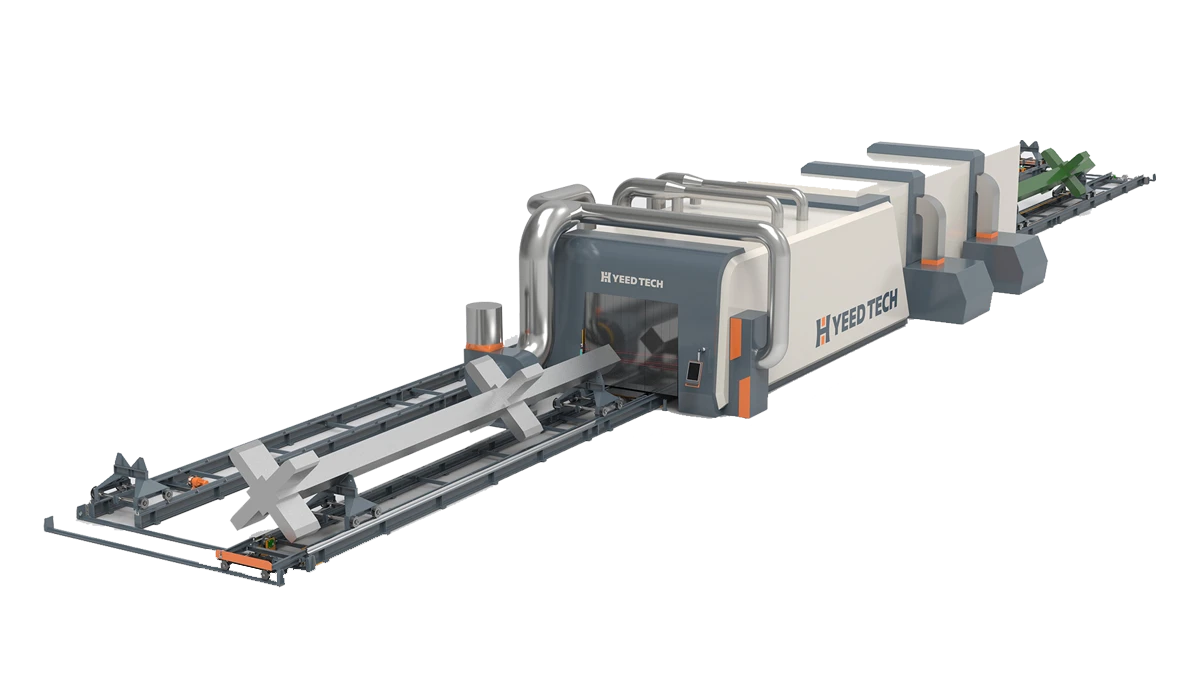
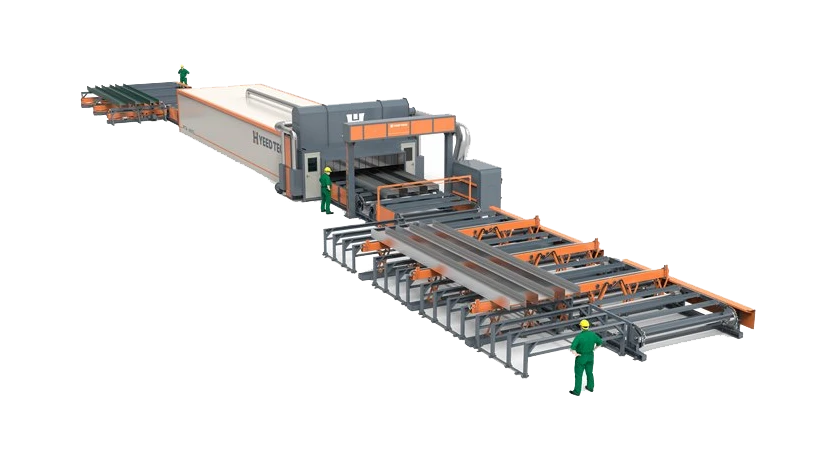
The integrity and performance of any structural coating system are directly dependent on a meticulously executed application process. A state-of-the-art heavy steel structure painting line is designed to ensure optimal surface preparation, precise coating application, and thorough curing. Below is a detailed breakdown of the typical process:
Process Steps:
- Surface Pre-treatment (Blast Cleaning):
- Purpose: Removal of rust, mill scale, old coatings, and other contaminants to achieve a clean, roughened surface for optimal coating adhesion.
- Method: Automated shot blasting or grit blasting is employed, often meeting standards like ISO 8501-1 Sa 2.5 or Sa 3.
- Materials: Abrasive media (steel grit, steel shot, garnet).
- Dust Removal and Cleaning:
- Purpose: To eliminate residual abrasive particles and dust that can compromise coating adhesion.
- Method: High-pressure air blow-off, brush cleaning, or vacuum systems.
- Pre-heating (Optional but Recommended):
- Purpose: To warm the steel structure to a specified temperature, ensuring proper coating viscosity, flash-off, and accelerating curing, especially in colder climates. Also helps remove surface moisture.
- Method: Infrared or convection ovens.
- Automatic Spray Painting (Multi-Layer Application):
- Purpose: Application of primer, intermediate, and topcoats to achieve the desired protective system.
- Method: Robotic or automated reciprocating spray guns ensure precise, uniform application. Airless spray, conventional spray, or HVLP (High Volume Low Pressure) systems are common.
- Coating Materials:
- Primers: Zinc-rich epoxy (corrosion inhibition), epoxy mastic.
- Intermediate Coats: High-build epoxy, polyurethane.
- Topcoats: Polyurethane (UV resistance, aesthetics), polysiloxane, fluoropolymer (extreme durability).
- Manufacturing Process (within the line): This stage involves highly synchronized mechanical handling systems, precision fluid delivery, and advanced PLC control for consistent application.
- Flash-off Zone:
- Purpose: Allows solvents to evaporate from the wet film before forced drying, preventing blistering or solvent entrapment.
- Method: Controlled ventilation and ambient temperature.
- Curing/Drying Oven:
- Purpose: To accelerate the curing process, ensuring optimal coating hardness, adhesion, and chemical resistance.
- Method: Convection heating, infrared (IR) curing, or UV curing (for specific coating types). Temperature and humidity are precisely controlled.
- Cooling Zone:
- Purpose: To bring the coated structures back to ambient temperature for safe handling and further processing.
- Method: Forced air cooling or natural convection.
- Quality Control & Inspection:
- Purpose: Verification of coating quality against specifications.
- Testing Standards: Adherence to ISO 12944 (corrosion protection), ASTM D4541 (adhesion), ASTM D7091 (dry film thickness - DFT), gloss level, color uniformity, and visual inspection for defects. Compliance with ANSI standards ensures structural integrity of the coated components.
This comprehensive process ensures a robust and long-lasting structural coating, providing critical protection for assets with a target service life often exceeding 20-30 years in challenging industrial environments.
Technical Specifications of a Typical Heavy Steel Structure Painting Line
Our heavy steel structure painting lines are engineered for high throughput and consistent quality, meeting the rigorous demands of modern industrial production. The following table outlines key technical parameters:
| Parameter | Specification | Notes |
|---|---|---|
| Max Workpiece Dimensions (L x W x H) | Up to 25m x 4m x 4m (customizable) | Adaptable for various structural sizes. |
| Conveyor Speed | 0.5 - 5 m/min (variable) | Adjustable for different coating types and curing times. |
| Coating Thickness Range (DFT) | 50 µm to 500 µm+ per layer | Multi-pass capability for thicker films. |
| Paint Delivery System | Automated Airless, Conventional, or HVLP | Optimized for various coating viscosities. |
| Oven Temperature Range | Ambient to 200°C | PID controlled for precise curing. |
| Control System | PLC-based with HMI interface | Full automation, fault diagnostics, data logging. |
| Total Power Consumption | Varies significantly by configuration (e.g., 150-500 kW) | Energy-saving features integrated. |
| Environmental Controls | Integrated filtration, VOC abatement (optional) | Compliance with local environmental regulations. |
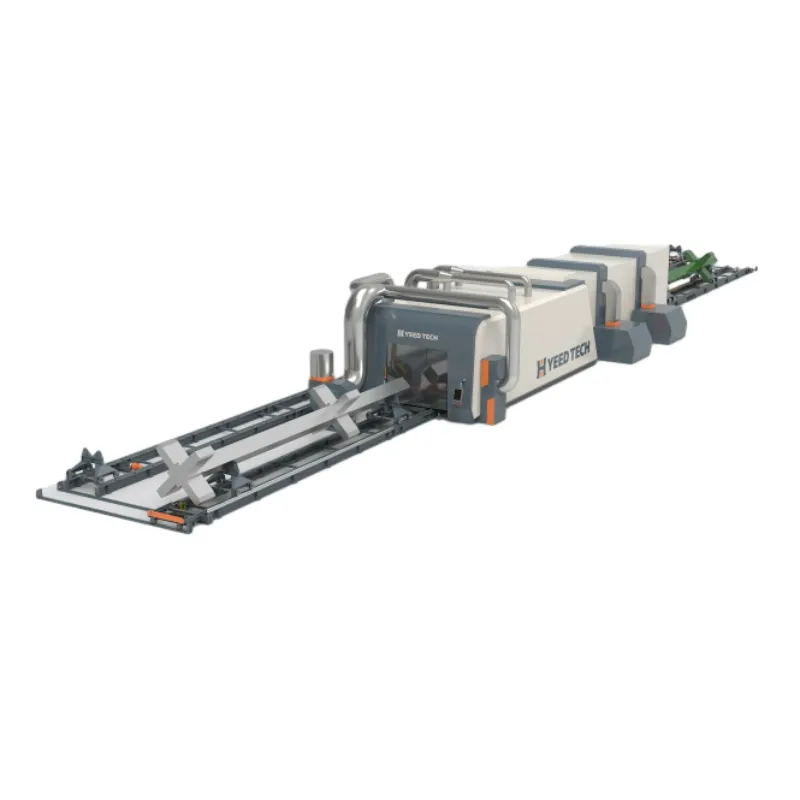
These specifications highlight our commitment to delivering systems that are not only robust but also highly adaptable and efficient, directly addressing the complexities of modern industrial protective coating needs.
Key Technical Advantages of Advanced Structural Coating Systems
Implementing a sophisticated structural coating line offers a multitude of technical advantages that translate into significant operational benefits:
- Superior Corrosion Resistance: Coatings are formulated to provide exceptional protection against chemical attack, moisture, and saline environments. Many systems meet ISO 12944 standards for C5-M (very high corrosivity, marine) or C4 (high corrosivity) environments, ensuring decades of protection.
- Extended Asset Service Life: By preventing degradation, coatings dramatically extend the lifespan of steel structures, delaying the need for costly replacements or extensive repairs, thereby improving overall lifecycle costs.
- Enhanced Durability and Abrasion Resistance: High-performance topcoats offer excellent resistance to physical wear and tear, impact, and abrasion, crucial for structures in heavy-duty operational areas.
- Increased Production Efficiency: Automated spray painting lines minimize manual labor, increase throughput, and ensure consistent application quality, leading to faster project completion times and reduced labor costs.
- Consistent Coating Quality: Precision robotic application ensures uniform coating thickness and coverage, eliminating inconsistencies inherent in manual application. This translates to predictable performance and fewer reworks.
- Reduced Structural Steel Painting Cost (Long-term): While initial setup costs might be higher, the enhanced durability and reduced maintenance needs significantly lower the total cost of ownership over the structure's lifetime. Predictive maintenance and extended repaint cycles offer substantial savings.
- Environmental Compliance: Modern coating lines often incorporate closed-loop solvent recovery systems and use low-VOC coatings, helping industries meet increasingly strict environmental regulations and achieve sustainability goals.
- Improved Safety: Automation reduces worker exposure to hazardous chemicals and eliminates the need for manual application in difficult or dangerous areas, enhancing workplace safety.
Application Scenarios & Target Industries
The versatility of modern structural coating solutions makes them vital across a wide array of heavy industries:
- Petrochemical Industry: Protection of pipelines, storage tanks, refinery structures, chemical processing equipment, and offshore platforms from aggressive chemicals, high temperatures, and marine environments.
- Metallurgy & Mining: Safeguarding steel mill components, heavy machinery, and structural frameworks from abrasion, extreme heat, and corrosive dust.
- Water Supply & Drainage: Essential for water treatment plants, pumping stations, reservoirs, and municipal pipelines, ensuring resistance to constant moisture and microbial growth.
- Bridge Construction & Infrastructure: Protecting steel bridges, overpasses, and structural components from atmospheric corrosion, road salts, and heavy traffic wear.
- Energy Sector (Power Plants, Wind Turbines): Crucial for protecting power plant structural steel, wind turbine towers, and transmission line components from environmental exposure and UV degradation.
- Marine & Shipbuilding: Preventing corrosion on ship hulls, offshore rigs, and port infrastructure exposed to saltwater and harsh weather conditions.
In each scenario, a tailored structural coating system significantly contributes to operational reliability and safety, underscoring the broad applicability of these advanced protective solutions.
Customized Solutions for Diverse Industrial Needs
Recognizing that no two industrial operations are identical, we specialize in delivering highly customized heavy steel structure painting lines. Our approach involves a comprehensive analysis of client-specific requirements, facility layouts, production volumes, and desired coating specifications. This allows us to design and integrate systems that perfectly align with operational goals.
Customization options include:
- Scalable Capacity: Designing lines to accommodate future expansion or varying production demands.
- Specialized Material Handling: Integration with existing cranes, conveyors, or AGVs (Automated Guided Vehicles) for seamless workflow.
- Environment-Specific Coating Chambers: Tailored climate control for optimal temperature and humidity during application and curing.
- Multi-Coating Capability: Systems designed to apply various coating types (epoxy, polyurethane, intumescent, thermal spray) with rapid changeover.
- Advanced Robotics: Custom programming for complex geometries and specialized application patterns.
- Energy Recovery Systems: Integration of heat recovery and ventilation optimization for reduced operational costs and environmental footprint.
Our engineering team works closely with clients from concept to commissioning, ensuring the final structural coating solution is not just effective but also optimally integrated and future-proof.
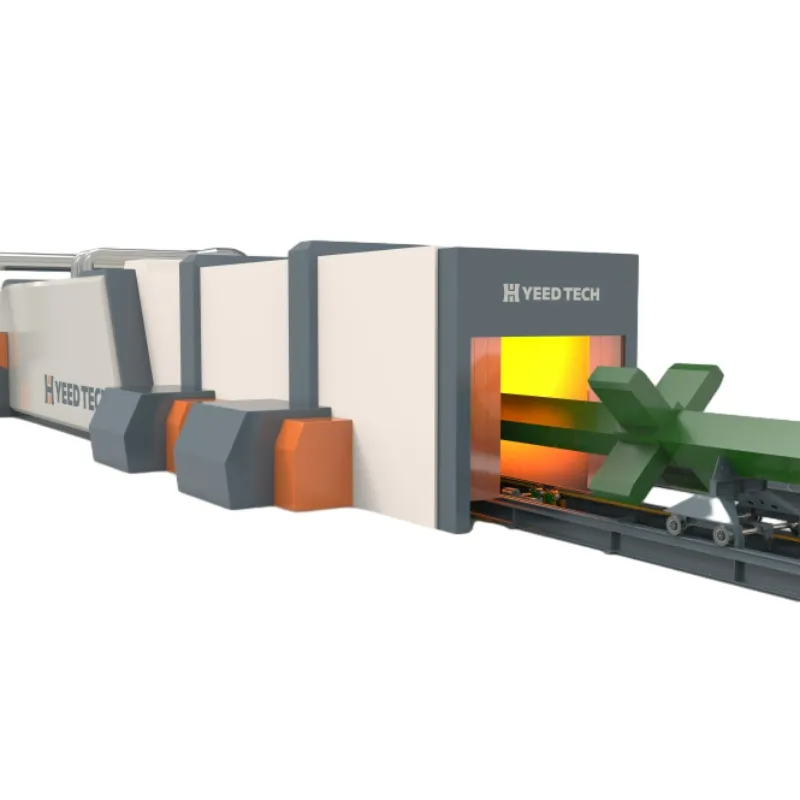
Vendor Comparison & Selection Criteria for Structural Coating Lines
Choosing the right vendor for a heavy steel structure painting line is a critical decision impacting long-term operational efficiency and investment return. Key criteria for evaluation include:
- Technical Expertise & Experience: Look for vendors with a proven track record in designing, manufacturing, and installing similar large-scale projects. Certifications like ISO 9001 and extensive years of service are indicators of authoritativeness.
- Technological Innovation: Assess the vendor's commitment to incorporating the latest automation, environmental, and energy-saving technologies.
- Customization Capabilities: The ability to tailor the line to specific workpiece sizes, production volumes, and coating requirements is essential.
- After-Sales Support & Service: Comprehensive warranty, spare parts availability, technical support, and training programs are crucial for minimizing downtime.
- Project Management & Installation: A vendor's ability to manage complex projects, from design to installation and commissioning, with adherence to timelines and budgets.
- Cost-Effectiveness (CAPEX vs. OPEX): Evaluate the total cost of ownership, considering not just the initial structural steel painting cost but also energy consumption, maintenance, and labor over the system's lifespan.
| Feature/Criteria | Leading Provider (e.g., Yeeeed) | Typical Competitor |
|---|---|---|
| Automation Level | High (Robotic spraying, PLC control) | Medium (Semi-automated, more manual input) |
| Customization Flexibility | Extensive, modular design | Limited to standard configurations |
| Energy Efficiency Features | Integrated heat recovery, optimized ventilation | Basic systems, higher energy consumption |
| After-Sales Support | Global network, 24/7 technical support, comprehensive training | Regional support, limited training |
| Average Project Lead Time | 6-12 months (dependent on complexity) | 8-15 months, less predictable |
| Compliance & Certifications | ISO, CE, local environmental standards | May vary, fewer international standards |
This comparison highlights the importance of partnering with a vendor that offers superior technological solutions, robust support, and a commitment to long-term value.
Real-World Application Case Studies
Our advanced structural coating solutions have been successfully deployed in various challenging industrial environments, demonstrating tangible benefits for our clients:
Case Study 1: Major Offshore Wind Farm Project
- Challenge: Protecting massive steel components of wind turbine towers from severe marine corrosion and UV degradation in the North Sea. Manual application was proving inconsistent and slow.
- Solution: Installation of a custom-designed heavy steel structure painting line with robotic spraying, advanced climate control, and specialized three-coat marine-grade epoxy-polyurethane system.
- Outcome: Achieved a consistent coating thickness of 450 µm across all components, exceeding ISO 12944 C5-M specifications. Production throughput increased by 40%, and projected service life of the components extended by 15 years, significantly reducing maintenance cycles and associated structural steel painting cost.
Case Study 2: Integrated Steel Mill Structure Protection
- Challenge: Protecting structural steel in a hot, abrasive, and chemically aggressive steel mill environment. Existing coating failures led to frequent and costly repairs.
- Solution: Implemented a high-speed painting line for girders and support structures, utilizing a zinc-rich epoxy primer, a high-build epoxy intermediate, and a polysiloxane topcoat. The line included enhanced dust removal and a high-temperature curing oven.
- Outcome: The new coating system demonstrated superior resistance to abrasion and chemical attack in ongoing inspections. Downtime for structural maintenance was reduced by 60% within the first two years, yielding substantial operational savings and improving overall safety conditions.
Trustworthiness and Support: Our Commitment
Building long-term partnerships is at the core of our business. Our commitment extends beyond delivering cutting-edge equipment to providing comprehensive support and fostering trust.
Frequently Asked Questions (FAQ)
Q: What types of coatings can your painting lines handle?
A: Our lines are designed for versatility, capable of applying a wide range of industrial coatings including epoxy primers, high-build epoxies, polyurethanes, polysiloxanes, zinc-rich primers, and intumescent coatings. We customize the application system to match specific coating material requirements.
Q: What is the typical lead time for a new heavy steel structure painting line?
A: Lead times vary depending on the complexity and customization level. For a standard line, it typically ranges from 6 to 9 months, including design, manufacturing, and initial testing. Complex, highly customized systems may require 10-14 months. We provide detailed project timelines during the proposal phase.
Q: What kind of warranty do you offer?
A: We offer a standard 12-month warranty on all mechanical and electrical components from the date of commissioning, or 18 months from shipment, whichever comes first. Extended warranty options and service contracts are also available for comprehensive peace of mind.
Lead Time & Fulfillment
Our project execution methodology ensures transparent communication and adherence to agreed-upon timelines. From initial consultation and design to manufacturing, installation, and commissioning, our dedicated project managers oversee every stage. We pride ourselves on on-time delivery and seamless integration into your existing production environment.
After-Sales Support & Training
We provide comprehensive after-sales support including:
- Technical Assistance: 24/7 remote and on-site technical support from our global network of engineers.
- Spare Parts: Readily available genuine spare parts for all system components to ensure minimal downtime.
- Operator Training: Intensive training programs for your operating and maintenance staff, covering system operation, routine maintenance, and troubleshooting.
- Preventative Maintenance Programs: Tailored service contracts to ensure your painting line operates at peak efficiency throughout its lifespan.
Our commitment to our clients ensures that your investment in a high-performance structural coating line continues to deliver value for decades.
Citations
- International Organization for Standardization. (2018). ISO 12944-1:2018 — Paints and varnishes — Corrosion protection of steel structures by protective paint systems — Part 1: General introduction.
- American Society for Testing and Materials. (2020). ASTM D4541-17 — Standard Test Method for Pull-Off Strength of Coatings Using Portable Adhesion Testers.
- NACE International. (2015). SP0178-2015 — Fabrication Details, Surface Finish Requirements, and Proper Design Considerations for Tanks and Vessels to be Lined for Immersion Service.
- The Coatings Handbook (4th ed.). (2018). Edited by Arthur N. Lande, CRC Press.
- Corrpro Companies Inc. (2021). Corrosion Control for Structural Steel. Retrieved from [Insert relevant industry resource URL if allowed, otherwise omit]
Latest News
-
Efficient automated hot air drying equipment for steel structure application
NewsApr.16,2026 -
Efficient hot air drying system for steel structure spraying line
NewsApr.09,2026 -
Optimizing Steel Structure Spraying with Hot Air Drying Technology Solutions
NewsApr.07,2026 -
HighEfficiency Hot Air Drying Painting Equipment for Superior Industrial Coatings
NewsApr.04,2026 -
Optimizing Industrial Processes with Hot Air Furnace Heating Spraying Systems
NewsMar.31,2026 -
Comprehensive Tailormade Steel Structure Spraying Solution for Enhanced Durability
NewsMar.28,2026 -
Optimizing Steel Structure Protection through Customization and Integration of Spraying System
NewsMar.26,2026
High-Performance Structural Coating | Durable Steel Protection
Elevating Asset Durability: The Critical Role of Advanced Structural Coating Systems
In the realm of heavy industry, the longevity and operational integrity of steel structures are paramount. Exposure to harsh environments, corrosive agents, and extreme weather conditions necessitates robust protective measures. This is where advanced structural coating solutions become indispensable. Far beyond mere aesthetics, these specialized coatings provide a critical barrier, significantly extending the service life of assets, reducing maintenance costs, and ensuring compliance with stringent safety and environmental standards. Our focus today is on the comprehensive engineering and application of these sophisticated protective layers, particularly within heavy steel structure painting lines designed for maximum efficiency and performance.
The demand for durable and efficient protective systems is escalating across sectors like petrochemical, marine, energy, and infrastructure. Investing in a high-quality structural coating system is not just a cost, but a strategic asset protection decision that yields substantial long-term returns through enhanced reliability and reduced operational expenditures.
Industry Trends Driving Innovation in Structural Protection
The landscape of industrial protective coatings is continually evolving, driven by several key trends:
- Automation and Robotics: The adoption of automated spray painting line technologies is revolutionizing application efficiency, ensuring uniform coating thickness, and minimizing human error. This leads to higher quality finishes and more consistent performance across large-scale projects.
- Eco-Friendly Formulations: Growing environmental regulations are pushing for low VOC (Volatile Organic Compound) and HAP (Hazardous Air Pollutant) coatings, including water-borne, high-solids, and solvent-free options. These not only reduce environmental impact but also improve worker safety.
- Smart Coatings: Emerging intelligent coatings with self-healing properties, corrosion indicators, and sensor integration are becoming more prevalent, offering proactive protection and predictive maintenance capabilities.
- Enhanced Performance Specifications: There's an increasing demand for coatings that offer superior resistance to extreme temperatures, abrasion, chemical exposure, and UV radiation, pushing the boundaries of material science.
- Digitalization and IoT: Integration of digital twins and IoT sensors within coating lines allows for real-time monitoring, data analytics, and predictive maintenance of the coating application process itself, optimizing throughput and quality.
These trends underscore a commitment to both performance excellence and sustainable practices, shaping the future of industrial structural coating applications.
The Advanced Structural Coating Process Flow: A Heavy Steel Structure Painting Line
The integrity and performance of any structural coating system are directly dependent on a meticulously executed application process. A state-of-the-art heavy steel structure painting line is designed to ensure optimal surface preparation, precise coating application, and thorough curing. Below is a detailed breakdown of the typical process:
Process Steps:
- Surface Pre-treatment (Blast Cleaning):
- Purpose: Removal of rust, mill scale, old coatings, and other contaminants to achieve a clean, roughened surface for optimal coating adhesion.
- Method: Automated shot blasting or grit blasting is employed, often meeting standards like ISO 8501-1 Sa 2.5 or Sa 3.
- Materials: Abrasive media (steel grit, steel shot, garnet).
- Dust Removal and Cleaning:
- Purpose: To eliminate residual abrasive particles and dust that can compromise coating adhesion.
- Method: High-pressure air blow-off, brush cleaning, or vacuum systems.
- Pre-heating (Optional but Recommended):
- Purpose: To warm the steel structure to a specified temperature, ensuring proper coating viscosity, flash-off, and accelerating curing, especially in colder climates. Also helps remove surface moisture.
- Method: Infrared or convection ovens.
- Automatic Spray Painting (Multi-Layer Application):
- Purpose: Application of primer, intermediate, and topcoats to achieve the desired protective system.
- Method: Robotic or automated reciprocating spray guns ensure precise, uniform application. Airless spray, conventional spray, or HVLP (High Volume Low Pressure) systems are common.
- Coating Materials:
- Primers: Zinc-rich epoxy (corrosion inhibition), epoxy mastic.
- Intermediate Coats: High-build epoxy, polyurethane.
- Topcoats: Polyurethane (UV resistance, aesthetics), polysiloxane, fluoropolymer (extreme durability).
- Manufacturing Process (within the line): This stage involves highly synchronized mechanical handling systems, precision fluid delivery, and advanced PLC control for consistent application.
- Flash-off Zone:
- Purpose: Allows solvents to evaporate from the wet film before forced drying, preventing blistering or solvent entrapment.
- Method: Controlled ventilation and ambient temperature.
- Curing/Drying Oven:
- Purpose: To accelerate the curing process, ensuring optimal coating hardness, adhesion, and chemical resistance.
- Method: Convection heating, infrared (IR) curing, or UV curing (for specific coating types). Temperature and humidity are precisely controlled.
- Cooling Zone:
- Purpose: To bring the coated structures back to ambient temperature for safe handling and further processing.
- Method: Forced air cooling or natural convection.
- Quality Control & Inspection:
- Purpose: Verification of coating quality against specifications.
- Testing Standards: Adherence to ISO 12944 (corrosion protection), ASTM D4541 (adhesion), ASTM D7091 (dry film thickness - DFT), gloss level, color uniformity, and visual inspection for defects. Compliance with ANSI standards ensures structural integrity of the coated components.
This comprehensive process ensures a robust and long-lasting structural coating, providing critical protection for assets with a target service life often exceeding 20-30 years in challenging industrial environments.
Technical Specifications of a Typical Heavy Steel Structure Painting Line
Our heavy steel structure painting lines are engineered for high throughput and consistent quality, meeting the rigorous demands of modern industrial production. The following table outlines key technical parameters:
| Parameter | Specification | Notes |
|---|---|---|
| Max Workpiece Dimensions (L x W x H) | Up to 25m x 4m x 4m (customizable) | Adaptable for various structural sizes. |
| Conveyor Speed | 0.5 - 5 m/min (variable) | Adjustable for different coating types and curing times. |
| Coating Thickness Range (DFT) | 50 µm to 500 µm+ per layer | Multi-pass capability for thicker films. |
| Paint Delivery System | Automated Airless, Conventional, or HVLP | Optimized for various coating viscosities. |
| Oven Temperature Range | Ambient to 200°C | PID controlled for precise curing. |
| Control System | PLC-based with HMI interface | Full automation, fault diagnostics, data logging. |
| Total Power Consumption | Varies significantly by configuration (e.g., 150-500 kW) | Energy-saving features integrated. |
| Environmental Controls | Integrated filtration, VOC abatement (optional) | Compliance with local environmental regulations. |
These specifications highlight our commitment to delivering systems that are not only robust but also highly adaptable and efficient, directly addressing the complexities of modern industrial protective coating needs.
Key Technical Advantages of Advanced Structural Coating Systems
Implementing a sophisticated structural coating line offers a multitude of technical advantages that translate into significant operational benefits:
- Superior Corrosion Resistance: Coatings are formulated to provide exceptional protection against chemical attack, moisture, and saline environments. Many systems meet ISO 12944 standards for C5-M (very high corrosivity, marine) or C4 (high corrosivity) environments, ensuring decades of protection.
- Extended Asset Service Life: By preventing degradation, coatings dramatically extend the lifespan of steel structures, delaying the need for costly replacements or extensive repairs, thereby improving overall lifecycle costs.
- Enhanced Durability and Abrasion Resistance: High-performance topcoats offer excellent resistance to physical wear and tear, impact, and abrasion, crucial for structures in heavy-duty operational areas.
- Increased Production Efficiency: Automated spray painting lines minimize manual labor, increase throughput, and ensure consistent application quality, leading to faster project completion times and reduced labor costs.
- Consistent Coating Quality: Precision robotic application ensures uniform coating thickness and coverage, eliminating inconsistencies inherent in manual application. This translates to predictable performance and fewer reworks.
- Reduced Structural Steel Painting Cost (Long-term): While initial setup costs might be higher, the enhanced durability and reduced maintenance needs significantly lower the total cost of ownership over the structure's lifetime. Predictive maintenance and extended repaint cycles offer substantial savings.
- Environmental Compliance: Modern coating lines often incorporate closed-loop solvent recovery systems and use low-VOC coatings, helping industries meet increasingly strict environmental regulations and achieve sustainability goals.
- Improved Safety: Automation reduces worker exposure to hazardous chemicals and eliminates the need for manual application in difficult or dangerous areas, enhancing workplace safety.
Application Scenarios & Target Industries
The versatility of modern structural coating solutions makes them vital across a wide array of heavy industries:
- Petrochemical Industry: Protection of pipelines, storage tanks, refinery structures, chemical processing equipment, and offshore platforms from aggressive chemicals, high temperatures, and marine environments.
- Metallurgy & Mining: Safeguarding steel mill components, heavy machinery, and structural frameworks from abrasion, extreme heat, and corrosive dust.
- Water Supply & Drainage: Essential for water treatment plants, pumping stations, reservoirs, and municipal pipelines, ensuring resistance to constant moisture and microbial growth.
- Bridge Construction & Infrastructure: Protecting steel bridges, overpasses, and structural components from atmospheric corrosion, road salts, and heavy traffic wear.
- Energy Sector (Power Plants, Wind Turbines): Crucial for protecting power plant structural steel, wind turbine towers, and transmission line components from environmental exposure and UV degradation.
- Marine & Shipbuilding: Preventing corrosion on ship hulls, offshore rigs, and port infrastructure exposed to saltwater and harsh weather conditions.
In each scenario, a tailored structural coating system significantly contributes to operational reliability and safety, underscoring the broad applicability of these advanced protective solutions.
Customized Solutions for Diverse Industrial Needs
Recognizing that no two industrial operations are identical, we specialize in delivering highly customized heavy steel structure painting lines. Our approach involves a comprehensive analysis of client-specific requirements, facility layouts, production volumes, and desired coating specifications. This allows us to design and integrate systems that perfectly align with operational goals.
Customization options include:
- Scalable Capacity: Designing lines to accommodate future expansion or varying production demands.
- Specialized Material Handling: Integration with existing cranes, conveyors, or AGVs (Automated Guided Vehicles) for seamless workflow.
- Environment-Specific Coating Chambers: Tailored climate control for optimal temperature and humidity during application and curing.
- Multi-Coating Capability: Systems designed to apply various coating types (epoxy, polyurethane, intumescent, thermal spray) with rapid changeover.
- Advanced Robotics: Custom programming for complex geometries and specialized application patterns.
- Energy Recovery Systems: Integration of heat recovery and ventilation optimization for reduced operational costs and environmental footprint.
Our engineering team works closely with clients from concept to commissioning, ensuring the final structural coating solution is not just effective but also optimally integrated and future-proof.
Vendor Comparison & Selection Criteria for Structural Coating Lines
Choosing the right vendor for a heavy steel structure painting line is a critical decision impacting long-term operational efficiency and investment return. Key criteria for evaluation include:
- Technical Expertise & Experience: Look for vendors with a proven track record in designing, manufacturing, and installing similar large-scale projects. Certifications like ISO 9001 and extensive years of service are indicators of authoritativeness.
- Technological Innovation: Assess the vendor's commitment to incorporating the latest automation, environmental, and energy-saving technologies.
- Customization Capabilities: The ability to tailor the line to specific workpiece sizes, production volumes, and coating requirements is essential.
- After-Sales Support & Service: Comprehensive warranty, spare parts availability, technical support, and training programs are crucial for minimizing downtime.
- Project Management & Installation: A vendor's ability to manage complex projects, from design to installation and commissioning, with adherence to timelines and budgets.
- Cost-Effectiveness (CAPEX vs. OPEX): Evaluate the total cost of ownership, considering not just the initial structural steel painting cost but also energy consumption, maintenance, and labor over the system's lifespan.
| Feature/Criteria | Leading Provider (e.g., Yeeeed) | Typical Competitor |
|---|---|---|
| Automation Level | High (Robotic spraying, PLC control) | Medium (Semi-automated, more manual input) |
| Customization Flexibility | Extensive, modular design | Limited to standard configurations |
| Energy Efficiency Features | Integrated heat recovery, optimized ventilation | Basic systems, higher energy consumption |
| After-Sales Support | Global network, 24/7 technical support, comprehensive training | Regional support, limited training |
| Average Project Lead Time | 6-12 months (dependent on complexity) | 8-15 months, less predictable |
| Compliance & Certifications | ISO, CE, local environmental standards | May vary, fewer international standards |
This comparison highlights the importance of partnering with a vendor that offers superior technological solutions, robust support, and a commitment to long-term value.
Real-World Application Case Studies
Our advanced structural coating solutions have been successfully deployed in various challenging industrial environments, demonstrating tangible benefits for our clients:
Case Study 1: Major Offshore Wind Farm Project
- Challenge: Protecting massive steel components of wind turbine towers from severe marine corrosion and UV degradation in the North Sea. Manual application was proving inconsistent and slow.
- Solution: Installation of a custom-designed heavy steel structure painting line with robotic spraying, advanced climate control, and specialized three-coat marine-grade epoxy-polyurethane system.
- Outcome: Achieved a consistent coating thickness of 450 µm across all components, exceeding ISO 12944 C5-M specifications. Production throughput increased by 40%, and projected service life of the components extended by 15 years, significantly reducing maintenance cycles and associated structural steel painting cost.
Case Study 2: Integrated Steel Mill Structure Protection
- Challenge: Protecting structural steel in a hot, abrasive, and chemically aggressive steel mill environment. Existing coating failures led to frequent and costly repairs.
- Solution: Implemented a high-speed painting line for girders and support structures, utilizing a zinc-rich epoxy primer, a high-build epoxy intermediate, and a polysiloxane topcoat. The line included enhanced dust removal and a high-temperature curing oven.
- Outcome: The new coating system demonstrated superior resistance to abrasion and chemical attack in ongoing inspections. Downtime for structural maintenance was reduced by 60% within the first two years, yielding substantial operational savings and improving overall safety conditions.
Trustworthiness and Support: Our Commitment
Building long-term partnerships is at the core of our business. Our commitment extends beyond delivering cutting-edge equipment to providing comprehensive support and fostering trust.
Frequently Asked Questions (FAQ)
Q: What types of coatings can your painting lines handle?
A: Our lines are designed for versatility, capable of applying a wide range of industrial coatings including epoxy primers, high-build epoxies, polyurethanes, polysiloxanes, zinc-rich primers, and intumescent coatings. We customize the application system to match specific coating material requirements.
Q: What is the typical lead time for a new heavy steel structure painting line?
A: Lead times vary depending on the complexity and customization level. For a standard line, it typically ranges from 6 to 9 months, including design, manufacturing, and initial testing. Complex, highly customized systems may require 10-14 months. We provide detailed project timelines during the proposal phase.
Q: What kind of warranty do you offer?
A: We offer a standard 12-month warranty on all mechanical and electrical components from the date of commissioning, or 18 months from shipment, whichever comes first. Extended warranty options and service contracts are also available for comprehensive peace of mind.
Lead Time & Fulfillment
Our project execution methodology ensures transparent communication and adherence to agreed-upon timelines. From initial consultation and design to manufacturing, installation, and commissioning, our dedicated project managers oversee every stage. We pride ourselves on on-time delivery and seamless integration into your existing production environment.
After-Sales Support & Training
We provide comprehensive after-sales support including:
- Technical Assistance: 24/7 remote and on-site technical support from our global network of engineers.
- Spare Parts: Readily available genuine spare parts for all system components to ensure minimal downtime.
- Operator Training: Intensive training programs for your operating and maintenance staff, covering system operation, routine maintenance, and troubleshooting.
- Preventative Maintenance Programs: Tailored service contracts to ensure your painting line operates at peak efficiency throughout its lifespan.
Our commitment to our clients ensures that your investment in a high-performance structural coating line continues to deliver value for decades.
Citations
- International Organization for Standardization. (2018). ISO 12944-1:2018 — Paints and varnishes — Corrosion protection of steel structures by protective paint systems — Part 1: General introduction.
- American Society for Testing and Materials. (2020). ASTM D4541-17 — Standard Test Method for Pull-Off Strength of Coatings Using Portable Adhesion Testers.
- NACE International. (2015). SP0178-2015 — Fabrication Details, Surface Finish Requirements, and Proper Design Considerations for Tanks and Vessels to be Lined for Immersion Service.
- The Coatings Handbook (4th ed.). (2018). Edited by Arthur N. Lande, CRC Press.
- Corrpro Companies Inc. (2021). Corrosion Control for Structural Steel. Retrieved from [Insert relevant industry resource URL if allowed, otherwise omit]
Latest News
-
Efficient automated hot air drying equipment for steel structure application
NewsApr.16,2026 -
Efficient hot air drying system for steel structure spraying line
NewsApr.09,2026 -
Optimizing Steel Structure Spraying with Hot Air Drying Technology Solutions
NewsApr.07,2026 -
HighEfficiency Hot Air Drying Painting Equipment for Superior Industrial Coatings
NewsApr.04,2026 -
Optimizing Industrial Processes with Hot Air Furnace Heating Spraying Systems
NewsMar.31,2026 -
Comprehensive Tailormade Steel Structure Spraying Solution for Enhanced Durability
NewsMar.28,2026 -
Optimizing Steel Structure Protection through Customization and Integration of Spraying System
NewsMar.26,2026