forklift untuk memindahkan kontena penghantaran
The Role of Forklifts in Container Handling and Delivery
In the fast-paced world of logistics and shipping, efficiency and precision are paramount. One of the key players that facilitate the smooth movement of goods, particularly in managing shipping containers, is the forklift. These versatile machines are integral to the transportation and delivery of containers, ensuring that the goods reach their destinations safely and on time.
Forklifts, or lift trucks, have become indispensable in warehouses, docks, and shipping facilities, where they assist in various operations involving heavy loads. Their primary function is to lift, move, and stack containers and pallets, which are typically heavy and cumbersome. The design of forklifts allows operators to handle these loads with precision, reducing the risk of damage to both the goods and the environment in which they are operated.
The Role of Forklifts in Container Handling and Delivery
Safety is of utmost importance when operating forklifts, especially in busy dockyards and warehouses. Operators must undergo rigorous training to ensure they can handle the machinery effectively and understand the safety protocols involved. This training helps prevent accidents that might occur due to negligence or lack of experience. Furthermore, modern forklifts are equipped with advanced safety features, such as stability controls and alarms, which assist operators in maintaining safety standards while working with heavy loads.
forklift untuk memindahkan kontena penghantaran
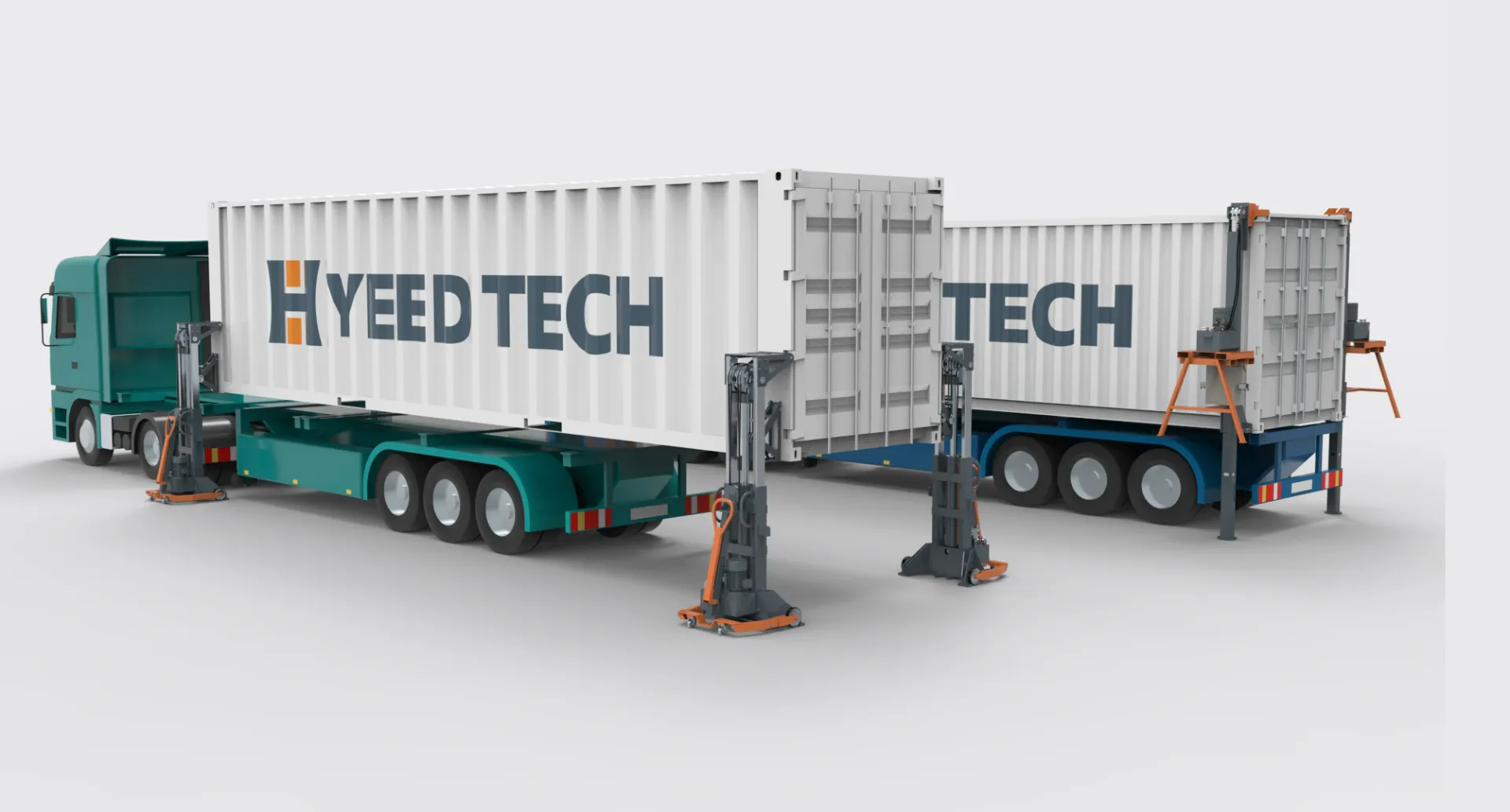
In addition to their operational capabilities, forklifts significantly contribute to improving the overall efficiency of shipping logistics. With the ability to move containers quickly and efficiently, they help minimize the turnaround time for ships docking at ports. This efficiency not only reduces costs for shipping companies but also enhances customer satisfaction due to timely deliveries.
As the logistics industry continues to evolve, the role of forklifts is also adapting. Innovations in technology, such as electric forklifts and automated guided vehicles (AGVs), are becoming more prevalent. Electric forklifts offer quieter operations and reduced carbon footprints, making them environmentally friendly alternatives to traditional fuel-powered models. AGVs, on the other hand, represent a step toward automation in warehouses, enabling streamlined operations with minimal human intervention.
The integration of technology in forklift operations, including telematics systems, allows for real-time monitoring of fleet performance, maintenance needs, and operational efficiency. This data-driven approach helps businesses make informed decisions, further optimizing their material handling processes.
In conclusion, forklifts play a critical role in the logistics and shipping industries, particularly in the handling and delivery of containers. Their ability to lift and transport heavy loads efficiently contributes significantly to the speed and safety of shipping operations. As technology continues to advance, forklifts are likely to evolve further, enhancing their capabilities and ensuring they remain a vital asset for the future of container handling and delivery. With ongoing training and technological improvements, the effective use of forklifts will continue to bolster the efficiency of global logistics networks.
Latest News
-
Efficient automated hot air drying equipment for steel structure application
NewsApr.16,2026 -
Efficient hot air drying system for steel structure spraying line
NewsApr.09,2026 -
Optimizing Steel Structure Spraying with Hot Air Drying Technology Solutions
NewsApr.07,2026 -
HighEfficiency Hot Air Drying Painting Equipment for Superior Industrial Coatings
NewsApr.04,2026 -
Optimizing Industrial Processes with Hot Air Furnace Heating Spraying Systems
NewsMar.31,2026 -
Comprehensive Tailormade Steel Structure Spraying Solution for Enhanced Durability
NewsMar.28,2026 -
Optimizing Steel Structure Protection through Customization and Integration of Spraying System
NewsMar.26,2026