Durable Structural Coating | Expert Protection for Steel & More
Introduction to High-Performance Structural Coating Systems
In the realm of industrial infrastructure and heavy engineering, the longevity and integrity of steel assets are paramount. This necessitates robust protection against environmental degradation, chemical exposure, and mechanical wear. The application of advanced structural coating solutions has emerged as a critical discipline, safeguarding significant capital investments and ensuring operational continuity. These sophisticated coating systems are designed not merely for aesthetic appeal but to provide a durable barrier, significantly extending the service life of structures while minimizing maintenance overheads and enhancing safety.
Our focus herein delves into the intricacies of high-performance coating technologies, particularly those integrated within advanced spray painting lines, highlighting their technical advantages, application precision, and indispensable role across diverse heavy industries.
Current Industry Trends in Structural Coating
The global market for industrial coatings is undergoing significant transformation, driven by demands for greater durability, environmental compliance, and cost-effectiveness. Key trends impacting the deployment of structural coating solutions include:
- Sustainable Formulations: Increasing emphasis on low VOC (Volatile Organic Compound) and HAP-free (Hazardous Air Pollutant) coatings, including water-borne, high-solids, and powder coatings, driven by stringent environmental regulations like EPA standards and REACH.
- Enhanced Performance: Development of coatings with superior abrasion resistance, chemical inertness, UV stability, and anti-corrosion properties, often incorporating nanotechnology for improved barrier protection and self-healing capabilities.
- Automation and Digitization: Integration of automated spray painting lines, robotic application systems, and AI-driven quality control ensures consistent film thickness, reduced material waste, and faster throughput in the application of structural coating.
- Lifecycle Cost Optimization: A shift from initial cost considerations to total lifecycle cost, where the extended service life and reduced maintenance facilitated by high-performance coatings justify higher upfront investment.
- Specialized Functional Coatings: Growth in demand for coatings with additional functionalities such as fire resistance, anti-fouling, thermal insulation, and anti-graffiti properties for niche applications.
These trends collectively push the industry towards more technically advanced, environmentally responsible, and economically efficient coating solutions.
Detailed Process Flow of Heavy Steel Structure Painting Line
The application of structural coating on heavy steel structures is a meticulous, multi-stage process designed to maximize adhesion, durability, and protective qualities. A typical heavy steel structure painting line, such as the one described on Yeeeed.com, follows a precise sequence:
1. Surface Preparation (Cleaning & Blasting)
- Objective: Remove mill scale, rust, old coatings, and contaminants to achieve a clean, roughened profile suitable for optimal coating adhesion.
- Process: Typically involves abrasive blasting (e.g., shot blasting, grit blasting) to a specified cleanliness standard (e.g., Sa 2½ or Sa 3 according to ISO 8501-1) and a precise surface profile (e.g., 50-75 microns). Equipment often includes automated blast machines.
- Testing Standard: Visual inspection to ISO 8501-1; surface profile measurement using a replica tape or digital profilometer.
2. Pre-Treatment (Optional, but Recommended)
- Objective: Enhance corrosion resistance and adhesion, particularly for galvanized or other pre-treated surfaces.
- Process: Washing, degreasing, and application of a conversion coating (e.g., phosphate or chromate treatment) or a wash primer.
3. Primer Application
- Objective: Provide the foundational layer of corrosion protection and ensure excellent adhesion for subsequent coats.
- Materials: Zinc-rich epoxy primers (for galvanic protection), inorganic zinc silicates, or inhibitive epoxy primers.
- Process: Applied via automated spray guns (airless, air-assisted, or electrostatic) within a climate-controlled spray booth to achieve the specified Dry Film Thickness (DFT).
- Testing Standard: DFT measurement (e.g., ISO 2808), visual inspection for defects.
4. Intermediate Coat Application
- Objective: Build film thickness for barrier protection, enhance adhesion between primer and topcoat, and provide additional corrosion resistance.
- Materials: High-build epoxies, acrylic epoxies.
- Process: Applied after the primer has adequately cured, using similar automated spray techniques.
- Testing Standard: DFT measurement, adhesion pull-off tests (e.g., ISO 4624).
5. Top Coat Application
- Objective: Provide the final layer of protection, offering aesthetic qualities, UV resistance, chemical resistance, and the specified color.
- Materials: Polyurethanes, fluoropolymers, polysiloxanes. Polyurethanes are common for their excellent gloss retention and weatherability.
- Process: Applied with high precision to ensure uniform finish and DFT.
- Testing Standard: DFT, gloss level (ISO 2813), color uniformity, cure state.
6. Curing/Drying
- Objective: Allow the coating layers to fully cure and achieve their specified mechanical and chemical properties.
- Process: Controlled environment chambers (curing ovens) often used, especially for fast-curing or specific coating types, to accelerate the process and ensure complete cross-linking. Natural air drying is also common for certain coatings.
- Testing Standard: Hardness tests (e.g., pencil hardness, Konig pendulum), solvent rub tests.
7. Final Inspection & Quality Control
- Objective: Verify that the finished coating meets all specified parameters and is free from defects.
- Process: Comprehensive visual inspection, DFT verification, adhesion testing, holiday detection (for immersion service), and documentation.
- Testing Standard: Adherence to project specifications, ISO 12944 series for corrosion protection systems.
Materials & Manufacturing Processes (Equipment):
The coatings themselves are formulated from advanced polymers (epoxies, polyurethanes, etc.), pigments, and additives. The heavy steel structure painting lines utilize precision-engineered equipment, including CNC machined components for robotic arms and spray nozzles, ensuring exact movement and consistent application. Forging and casting are critical for producing durable parts within the painting machinery.
Service Life & Target Industries:
The service life of a well-applied structural coating can range from 10 to 25+ years, depending on the coating system chosen and the corrosivity category of the environment (e.g., C3, C4, C5-I, C5-M as per ISO 12944). Target industries include petrochemical (pipelines, tanks), metallurgy (furnaces, structural supports), water supply & drainage (pipes, treatment plants), marine (ship hulls, offshore platforms), infrastructure (bridges, power pylons), and general manufacturing facilities.
Demonstrated Advantages in Typical Application Scenarios:
- Corrosion Resistance: A multi-layer coating system offers superior protection against atmospheric corrosion, chemical attack, and immersion conditions, drastically reducing the need for costly repairs and replacements in harsh industrial settings.
- Energy Saving: By extending the asset lifespan and reducing the frequency of recoating cycles, significant energy savings are achieved in terms of material production, application labor, and transport. Some coatings also offer thermal insulation properties, contributing to energy efficiency in operations.
- Enhanced Safety: Durable coatings prevent structural degradation, thereby mitigating risks of failure and enhancing operational safety for personnel. Specialized anti-slip coatings can also be integrated.
- Aesthetics & Asset Value: A professionally applied coating maintains the visual appeal of structures, contributing to corporate image and preserving asset value.
Technical Specifications & Performance Parameters
Understanding the precise technical parameters of structural coating systems is critical for selecting the optimal solution for specific environmental and operational demands. Below is a representative table outlining key product specifications for a high-performance heavy steel structure painting line:
| Parameter | Primer (Zinc-Rich Epoxy) | Intermediate (High-Build Epoxy) | Topcoat (Aliphatic Polyurethane) |
|---|---|---|---|
| Typical Dry Film Thickness (DFT) | 60-80 µm (2.4-3.2 mils) | 150-250 µm (6-10 mils) | 50-80 µm (2-3.2 mils) |
| Adhesion Strength (ASTM D4541) | >5 MPa (>725 psi) | >6 MPa (>870 psi) | >6 MPa (>870 psi) |
| Hardness (Pencil, ASTM D3363) | 2H minimum | 3H minimum | 4H minimum |
| Salt Spray Resistance (ISO 9227) | >2000 hours (minor creep) | >4000 hours (no blistering/rust) | Excellent (gloss retention >80%) |
| Chemical Resistance | Good (alkalis, mild acids) | Excellent (wide range of chemicals) | Very Good (acids, alkalis, solvents) |
| UV Resistance (ASTM G154) | Fair (typically overcoated) | Good (chalks over time) | Excellent (color/gloss retention) |
| Service Temperature Range | -30°C to 120°C | -40°C to 150°C | -20°C to 100°C |
| VOC Content (g/L) | <250 (High Solids) | <150 (High Solids) | <300 (Compliant) |
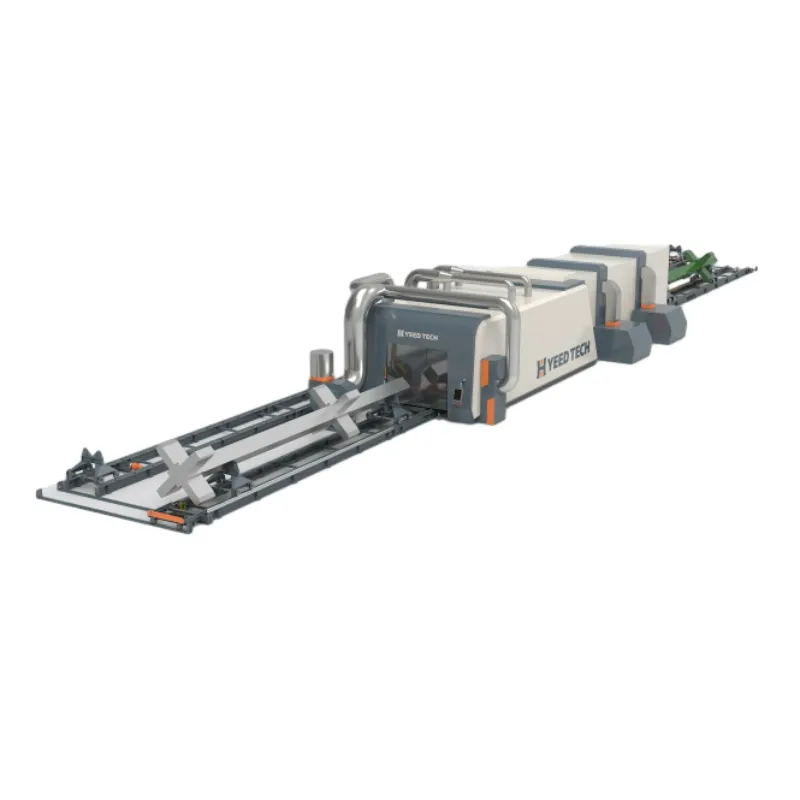
These specifications demonstrate the engineered performance of modern structural coating systems, designed to withstand the most aggressive industrial and natural environments. Adherence to these parameters ensures long-term asset protection and compliance with international standards.
Application Scenarios & Real-World Case Studies
The versatility and robustness of advanced structural coating systems make them indispensable across a multitude of critical industrial applications. Here are typical scenarios and illustrative case studies:
1. Petrochemical and Oil & Gas Facilities
Scenario: Protection of pipelines, storage tanks, refinery structures, and offshore platforms exposed to corrosive chemicals, extreme temperatures, and harsh marine environments.
Case Study: A major LNG terminal in the Middle East faced severe atmospheric and chemical corrosion issues on its steel infrastructure. By implementing a three-coat system comprising a zinc-rich epoxy primer, a high-build epoxy intermediate, and a UV-resistant polysiloxane topcoat, the client achieved an extended maintenance cycle from 5 years to over 15 years. This significantly reduced downtime for recoating operations, translating to an estimated 30% reduction in lifecycle maintenance costs and enhanced safety margins.
2. Bridges and Civil Infrastructure
Scenario: Protecting steel bridge components, power transmission towers, and other large-scale infrastructure from weather, urban pollution, and de-icing salts.
Case Study: For a critical suspension bridge renovation project in a coastal region, a custom two-coat heavy-duty epoxy-urethane system was applied using an automated spray painting line. The structural elements, subjected to continuous salt spray and fluctuating temperatures, were coated to meet ISO 12944 C5-M high-durability standards. Post-application inspections after 10 years showed minimal degradation, far exceeding the projected 7-year lifespan of previous coating types, thereby preserving public safety and reducing taxpayer expenditure on frequent repairs.
3. Water Treatment and Desalination Plants
Scenario: Protecting steel tanks, clarifiers, pipes, and other equipment from constant immersion, chemical exposure (chlorine, strong acids/bases), and biological growth.
Case Study: A municipal wastewater treatment plant needed to recoat its primary clarifier tanks. The previous vinyl ester lining had degraded prematurely due to chemical attack and microbial induced corrosion. A specialized glass flake-reinforced epoxy coating, applied through a controlled spray line, was selected. This robust system provided superior chemical and abrasion resistance, extending the operational life of the tanks by an additional 12 years, ensuring uninterrupted water purification services and compliance with health regulations. The smooth, hard surface also reduced biological fouling, lowering cleaning frequencies.
Technical Advantages of Advanced Structural Coating Systems
Implementing a high-performance structural coating system offers a multitude of technical and operational advantages:
- Superior Corrosion Protection: Multi-layer systems (primer, intermediate, topcoat) provide synergistic protection, combining barrier properties, galvanic action (zinc-rich primers), and chemical resistance to form an impenetrable shield against aggressive environments. This significantly outperforms single-coat applications.
- Extended Asset Lifespan: By preventing premature degradation of steel structures, these coatings drastically extend the operational life of assets, deferring capital expenditure on replacement and reducing the overall Total Cost of Ownership (TCO).
- Reduced Maintenance Cycles: The exceptional durability of advanced coatings leads to longer intervals between maintenance and recoating, minimizing costly downtime, labor expenses, and operational disruptions. This directly impacts the profitability of operations like spray painting line.
- Enhanced Safety and Environmental Compliance: Modern coating formulations often feature lower VOC content, contributing to safer working conditions and reduced environmental impact. Furthermore, by preserving structural integrity, they prevent hazardous leaks or structural failures.
- Improved Aesthetics and Brand Image: High-gloss, color-stable topcoats provide an aesthetically pleasing finish that maintains its appearance over years, contributing to a professional corporate image.
- Customized Performance: Ability to tailor coating systems to specific operational requirements, such as anti-abrasion, impact resistance, specific chemical immersion, or elevated temperature resistance.
Vendor Comparison: Evaluating Structural Steel Painting Costs & Solutions
When considering investments in heavy steel structure painting lines and associated structural coating solutions, a comprehensive vendor comparison is crucial. This involves evaluating not just the initial structural steel painting cost but also the long-term value, technology, and support provided.
| Feature/Criteria | Vendor A (e.g., Yeeeed.com) | Vendor B (Competitor Example) |
|---|---|---|
| Automation Level of Spray Painting Line | Full PLC-controlled robotic application, material handling, climate control. | Semi-automated, manual loading/unloading, basic climate control. |
| Coating Material Compatibility | Wide range (epoxies, polyurethanes, zinc-rich, fluoropolymers, specialty coatings). | Limited to standard epoxies/polyurethanes. |
| Surface Preparation Integration | Integrated automatic shot blasting and pre-treatment units. | Separate, manual or semi-automatic blasting required. |
| Customization & Engineering Support | Extensive, project-specific engineering, bespoke line design, full consultation. | Modular systems with limited customization options. |
| Quality Control Features | Integrated DFT sensors, vision systems for defect detection, data logging. | Manual inspection, basic process monitoring. |
| Energy Efficiency | Advanced ventilation with heat recovery, optimized curing ovens. | Standard ventilation, conventional heating systems. |
| Post-Sales Support & Warranty | Global service network, 24/7 technical support, extended warranty options. | Regional support, standard warranty, limited spare parts availability. |
| Typical Project Lead Time | 12-18 weeks (complex lines) | 8-14 weeks (simpler lines) |
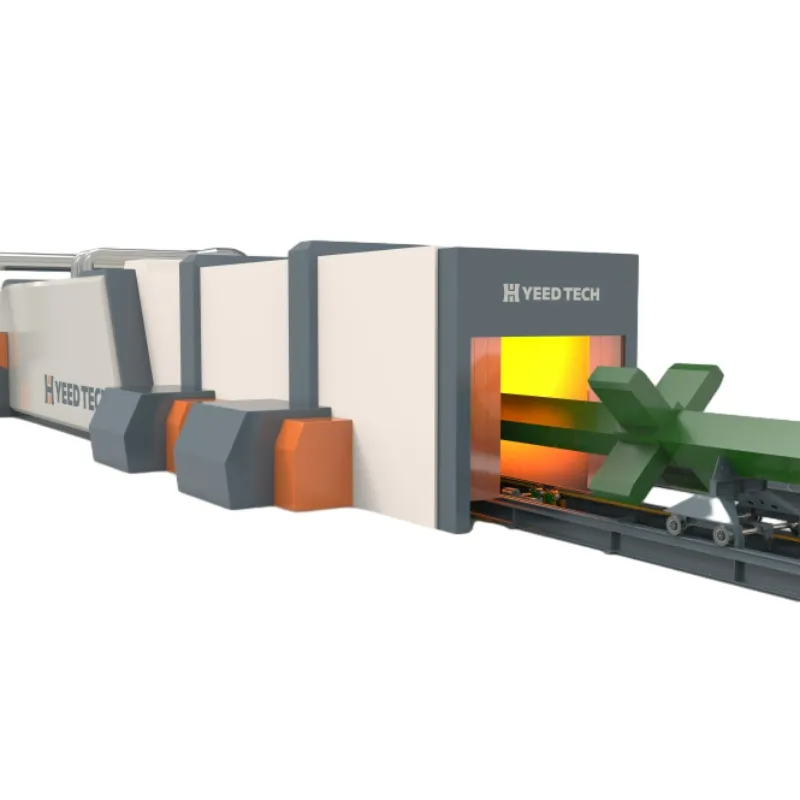
This comparison highlights that while the upfront structural steel painting cost of a highly automated and technically advanced solution might be higher, the long-term benefits in terms of operational efficiency, quality consistency, reduced labor, and extended asset life often provide a superior return on investment. Vendors with comprehensive service and customization capabilities tend to offer more robust and future-proof solutions.
Customized Solutions for Structural Coating
Recognizing that no two industrial projects are identical, leading providers of structural coating lines offer highly customized solutions. This bespoke approach ensures optimal performance and cost-effectiveness for unique operational challenges.
- Tailored Coating Formulations: Development of specific coating systems to withstand extreme conditions, such as ultra-high temperatures, aggressive chemical immersion, or specialized anti-microbial requirements, where standard coatings fall short.
- Integrated Production Line Design: Custom engineering of the entire painting line to seamlessly integrate with existing manufacturing processes, handling diverse structural geometries and sizes, and optimizing material flow and throughput. This includes specialized conveyors, robotic programming, and curing systems.
- Environmental Control Systems: Design of bespoke climate control, air filtration, and VOC abatement systems to meet stringent local and international environmental regulations, ensuring safe operation and compliance.
- Advanced Automation & Robotics: Implementation of custom robotic solutions for complex geometries or challenging application areas, enhancing precision, reducing human exposure to hazardous materials, and minimizing labor costs.
Ensuring Trust and Authority ( Compliance)
Certifications and Industry Standards
Our commitment to quality and reliability is underpinned by adherence to rigorous international standards. Systems and processes conform to ISO 9001 for Quality Management, ensuring consistent product and service delivery. Our coating solutions are designed to meet industry-specific standards such as ISO 12944 (Corrosion Protection of Steel Structures by Protective Paint Systems), NACE International, and SSPC (The Society for Protective Coatings) guidelines for surface preparation and coating application. These certifications provide objective verification of our expertise and commitment to best practices.
Customer Feedback and Partnerships
We have a proven track record of successful deployments with leading enterprises across the energy, petrochemical, heavy manufacturing, and infrastructure sectors. Feedback consistently highlights the durability of our structural coating solutions, the efficiency of our automated painting lines, and the responsiveness of our technical support. Our long-standing partnerships with global engineering firms and material suppliers underscore our authoritative position in the industry.
Frequently Asked Questions (FAQ)
Q: What is the typical service life expectancy of your structural coating systems?
A: Our coating systems are engineered for high durability. Depending on the specific system chosen and the corrosivity of the environment (e.g., C3 to C5-M as per ISO 12944), the service life typically ranges from 15 to 25+ years before major maintenance is required.
Q: How does an automated spray painting line reduce structural steel painting cost?
A: Automated lines reduce costs significantly through several factors: minimized labor requirements, precise material application (reducing waste), faster throughput, consistent quality (fewer reworks), and extended coating lifespan due to superior application, all contributing to a lower overall lifecycle cost.
Q: Are your structural coating solutions environmentally compliant?
A: Yes, we prioritize sustainable solutions. Many of our systems incorporate low-VOC, high-solids, or water-borne coatings, and our painting lines are designed with efficient filtration and emissions control systems to meet international environmental regulations.
Q: What kind of steel structures can be accommodated by your heavy steel structure painting line?
A: Our heavy steel structure painting lines are designed to accommodate a wide range of steel structures, including beams, columns, girders, trusses, tanks, pipes, and fabricated assemblies. Customization ensures compatibility with specific dimensions and weights unique to your project needs.
Lead Time, Warranty & Customer Support
Lead Time and Fulfillment
The lead time for our heavy steel structure painting lines varies based on the complexity and customization required. For standard configurations, typically 12-18 weeks are needed from order confirmation to factory acceptance testing. Complex, bespoke systems may require 20-30 weeks. Our project management team provides detailed timelines and regular updates throughout the manufacturing, installation, and commissioning phases to ensure timely fulfillment.
Warranty Commitments
We offer a standard warranty of 12-24 months on our painting lines and equipment, covering manufacturing defects and performance as per agreed specifications. Extended warranty options and comprehensive service contracts are also available to provide long-term peace of mind and minimize unforeseen operational costs.
Dedicated Customer Support
Our commitment extends beyond delivery. We provide extensive after-sales support, including installation supervision, operator training, preventative maintenance programs, and rapid access to spare parts. Our global network of technical experts is available 24/7 for remote diagnostics and on-site assistance, ensuring maximum uptime and operational efficiency for your structural coating processes.
Conclusion
Investing in a high-quality heavy steel structure painting line with advanced structural coating capabilities is a strategic decision that delivers profound long-term benefits. From enhanced asset integrity and extended service life to reduced maintenance costs and improved environmental performance, these systems represent the vanguard of industrial protection. By partnering with experienced providers offering customized, technologically advanced solutions and robust support, businesses can ensure their critical steel infrastructure remains protected, compliant, and productive for decades to come.
References
- ISO 12944-1:2018. Paints and varnishes — Corrosion protection of steel structures by protective paint systems — Part 1: General introduction. International Organization for Standardization.
- NACE International. Standard Practice SP0108-2008. Corrosion Control of Exterior Surfaces of Underground or Submerged Metallic Piping Systems. NACE International, Houston, TX.
- ASTM International. ASTM D4541-17. Standard Test Method for Pull-Off Strength of Coatings Using Portable Adhesion Testers. ASTM International, West Conshohocken, PA.
- The Society for Protective Coatings (SSPC). SSPC-SP 10/NACE No. 2. Near-White Metal Blast Cleaning. SSPC, Pittsburgh, PA.
- European Chemicals Agency (ECHA). REACH (Registration, Evaluation, Authorisation and Restriction of Chemicals) Regulation. European Union.
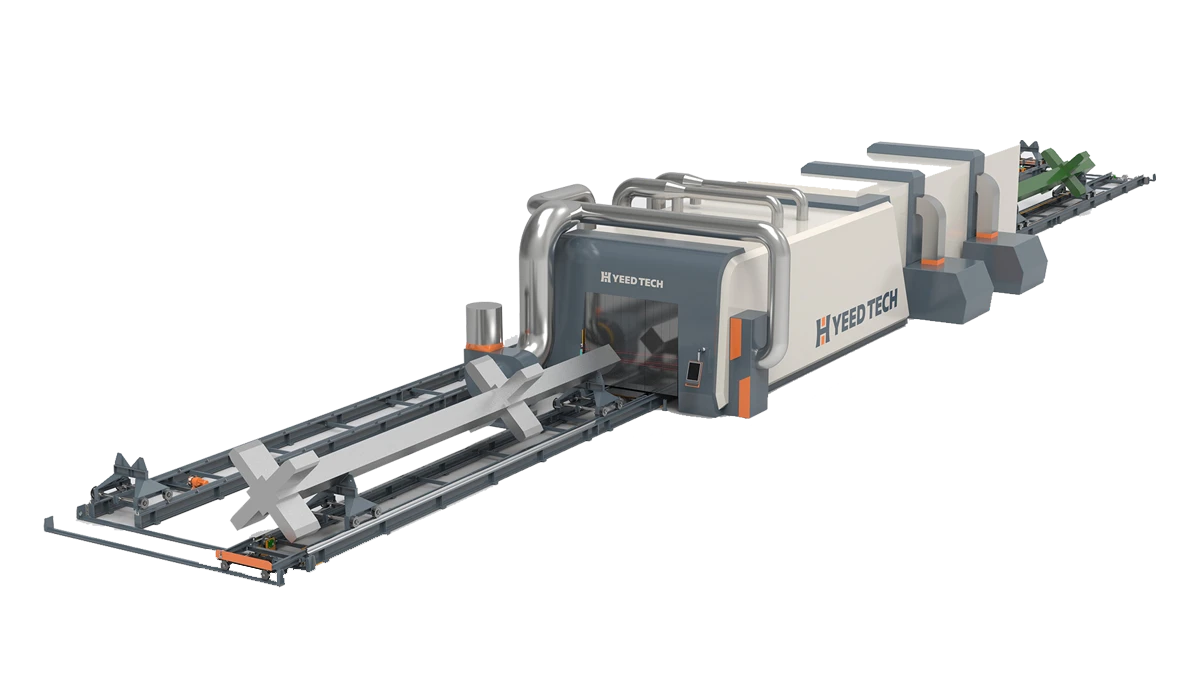
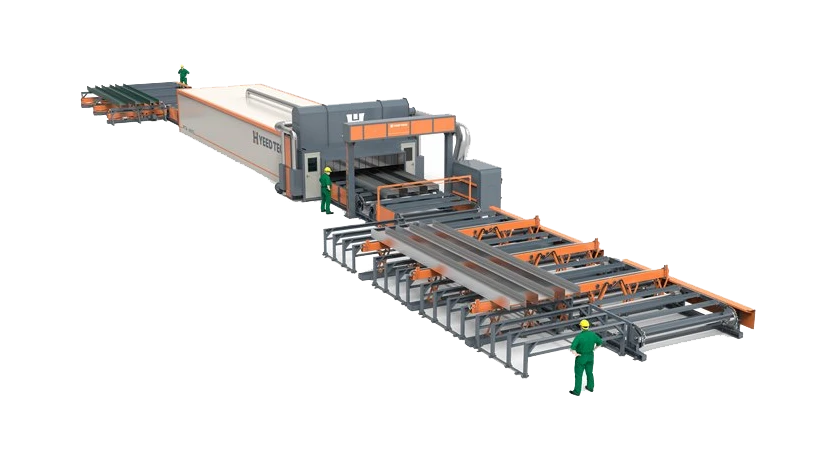
Latest News
-
Efficient automated hot air drying equipment for steel structure application
NewsApr.16,2026 -
Efficient hot air drying system for steel structure spraying line
NewsApr.09,2026 -
Optimizing Steel Structure Spraying with Hot Air Drying Technology Solutions
NewsApr.07,2026 -
HighEfficiency Hot Air Drying Painting Equipment for Superior Industrial Coatings
NewsApr.04,2026 -
Optimizing Industrial Processes with Hot Air Furnace Heating Spraying Systems
NewsMar.31,2026 -
Comprehensive Tailormade Steel Structure Spraying Solution for Enhanced Durability
NewsMar.28,2026 -
Optimizing Steel Structure Protection through Customization and Integration of Spraying System
NewsMar.26,2026