Container Lifting Jack: The Essential Tool for Safe and Efficient Shipping Operations
Understanding the Container Lifting Jack: Essential Gear for Heavy Lifting Worldwide
In the vast world of logistics and heavy industry, the humble container lifting jack plays a pivotal role. It might not be the flashiest equipment on a shipping dock or construction site, but its impact is profound. Oddly enough, understanding this simple tool sheds light on a global network of efficiency, safety, and innovation that quite literally moves the world’s goods and materials. So what exactly is a container lifting jack, and why should you care? Let’s unravel this together.
Introduction: Global Context of Container Lifting Jacks
Worldwide, over 794 million TEUs (twenty-foot equivalent units) were handled at ports in 2022 alone, according to the UNCTAD Review of Maritime Transport, demonstrating the ceaseless flow of shipping containers moving across continents annually. These containers, loaded with everything from electronics to food aid, are massive and heavy — often weighing tens of thousands of kilograms.
Ensuring the safe and efficient handling of these behemoths is a logistical challenge. The container lifting jack is an essential tool designed specifically to lift and stabilize these containers during loading, unloading, repairs, or repositioning.
Yet, challenges persist: improper handling risks accidents, damage, and costly delays. Thus, leveraging reliable and precise lifting solutions is not just an operational need but a safety imperative.
What Is a Container Lifting Jack?
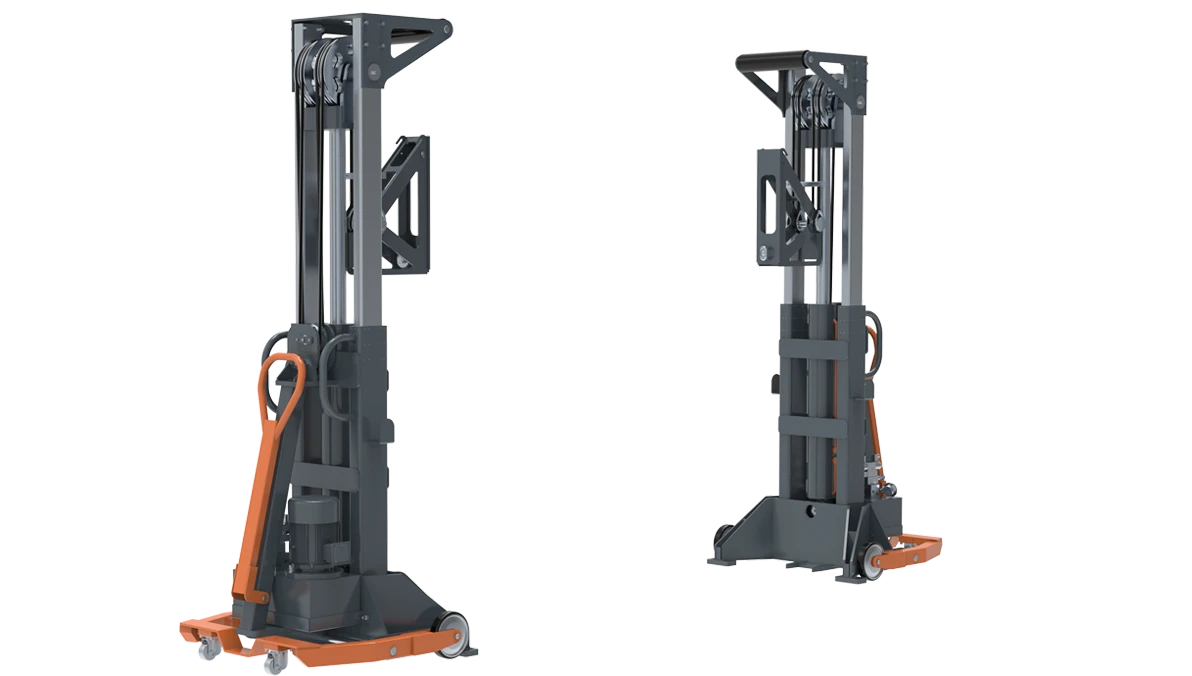
In simple terms, a container lifting jack is a robust mechanical device used to raise shipping containers for various industrial purposes. These jacks come in different styles — hydraulic, electric, or manual — but their mission remains the same: to provide the leverage and support needed to lift enormous weights safely and efficiently.
Their importance stretches beyond ports. Construction sites, disaster relief camps, and remote industrial locations all depend on container lifting jacks to aid in moving, modifying, or securing containers.
Key Features and Core Components of Container Lifting Jacks
Durability
Because containers often weigh upwards of 25,000 kg, the lifting jack must be constructed from strong, corrosion-resistant materials like high-grade steel. When used outdoors near salty seas, their build quality must withstand harsh environments without failure.
Load Capacity
Load capacity ranges widely. Most container lifting jacks support loads from 10 to 30 tons, depending on the model. Operators must choose accordingly to avoid overloading — a common cause of accidents.
Portability
Some jacks are compact and designed for quick deployment in remote or disaster-stricken areas where container logistics support is critical.
Ease of Use and Safety Features
Intuitive operation mechanisms combined with safety locks, pressure relief valves, and anti-slip bases enhance reliability and reduce risks during lifting.
Versatility
An ideal container lifting jack can handle different container sizes and can also be used in conjunction with cranes or forklifts for multitasking.
Product Specification Overview
| Specification | Standard Model | Heavy-Duty Model |
|---|---|---|
| Maximum Load Capacity | 15 tons | 30 tons |
| Weight | 18 kg | 35 kg |
| Material | Alloy Steel | High-Grade Stainless Steel |
| Lifting Height | 300 mm | 450 mm |
| Operation Type | Manual Hydraulic | Electric Hydraulic |
Mini Takeaway: Container lifting jacks come in various models designed to balance load capacity, portability, and ease of use — crucial factors that directly influence workplace safety and operational efficiency.
Global Applications and Real-World Use Cases
The versatility of container lifting jacks shines around the globe. For instance, in Southeast Asia’s booming shipping hubs, these devices streamline container stacking and transport. Industrial sectors in Africa rely on durable, portable jacks to assemble modular container structures for expanding mining operations far off the grid.
In humanitarian efforts, NGOs use container lifting jacks extensively for disaster relief, deploying containerized hospitals, kitchens, and shelters that require precise placement and quick turnover. The UN’s Office for the Coordination of Humanitarian Affairs (OCHA) notes that containerized logistics hubs can dramatically shorten response times after natural disasters.
Vendor Comparison: Top Container Lifting Jack Brands
| Brand | Load Capacity | Material Quality | Portability | Price Range | Warranty |
|---|---|---|---|---|---|
| LiftMate Pro | 15 tons | High alloy steel | Medium (18 kg) | $1,200 - $1,400 | 2 years |
| MegaLift HD | 30 tons | Stainless steel | Heavy (35 kg) | $2,500 - $3,000 | 3 years |
| EasyJack | 12 tons | Carbon steel | Light (14 kg) | $900 - $1,100 | 1 year |
Advantages and Long-Term Value of Container Lifting Jacks
- Cost Efficiency: Durable jacks reduce equipment replacement and repair expenses.
- Safety: Designed to minimize human error and accidents during heavy lifting.
- Sustainability: Many newer models incorporate eco-friendly hydraulic fluids and recyclable materials.
- Adaptability: Use across industries—from shipping to construction to emergency services—ensures wide utility.
It’s not just about physics and engineering. Emotionally, operators often express trust once they find jacks that “just feel right,” enhancing confidence on site. That seemingly intangible trust translates into fewer accidents and smoother operations, which is priceless.
Future Trends and Innovations in Container Lifting Technology
The future points to smart, connected container lifting jacks. Automation, IoT sensors, and AI-driven diagnostics will soon allow operators to monitor jack health remotely and predict maintenance needs before breakdowns occur.
Moreover, sustainability is pushing innovations such as biodegradable hydraulic fluids and lightweight composites that maintain strength while lowering carbon footprints. Green energy-powered electric lifting jacks are also gaining traction, especially in eco-conscious ports in Europe and Asia.
Challenges and Solutions in Deploying Container Lifting Jacks
Despite advances, challenges remain. Portability can be a hurdle—heavy-duty jacks are often too heavy for easy transport to remote sites. Additionally, maintenance requires skilled technicians, which is scarce in some developing regions.
Solutions include modular jack designs that break down into transport-friendly units and training programs facilitated by international agencies. Local manufacturing with quality oversight can reduce downtime and dependency on foreign vendors.
FAQ: Frequently Asked Questions About Container Lifting Jacks
- Q: How do container lifting jacks improve safety compared to cranes alone?
- A: Container lifting jacks provide precise control for small height adjustments and stabilization, which cranes cannot always offer. This reduces the risk of sudden shifts and accidents during loading or maintenance.
- Q: Can container lifting jacks be used in disaster zones with limited infrastructure?
- A: Yes, portable manual hydraulic jacks are particularly suited for remote or disaster-hit areas due to their light weight and ease of use without electricity.
- Q: What maintenance does a container lifting jack require?
- A: Routine checks of hydraulic fluid levels, inspection for corrosion, and lubrication of moving parts are essential for operational longevity.
- Q: Are electric hydraulic jacks more efficient?
- A: They offer faster lifting and require less physical effort but depend on power availability, which may limit their use in certain locations.
- Q: How do I select the right container lifting jack for my needs?
- A: Evaluate load capacity requirements, portability, operation type, and environmental conditions. Consulting with vendors to match specifications with your operational context is recommended.
Conclusion: Why Container Lifting Jacks Matter Long-Term
Ultimately, container lifting jacks are far more than simple lifting devices. They are critical enablers of global trade, emergency response, and industrial development. Investing in quality jacks means investing in safety, efficiency, and future-ready operations. If you want to explore robust, reliable models, or learn more about how these tools can optimize your work, don’t hesitate to visit our website.
Oddly enough, it’s these steadfast, sometimes overlooked tools that keep the wheels of modern industry turning.
Mini Takeaway: Container lifting jacks embody a unique blend of simplicity and indispensable industrial strength that supports global commerce, humanitarian aid, and engineering alike.
References:
Latest News
-
Efficient automated hot air drying equipment for steel structure application
NewsApr.16,2026 -
Efficient hot air drying system for steel structure spraying line
NewsApr.09,2026 -
Optimizing Steel Structure Spraying with Hot Air Drying Technology Solutions
NewsApr.07,2026 -
HighEfficiency Hot Air Drying Painting Equipment for Superior Industrial Coatings
NewsApr.04,2026 -
Optimizing Industrial Processes with Hot Air Furnace Heating Spraying Systems
NewsMar.31,2026 -
Comprehensive Tailormade Steel Structure Spraying Solution for Enhanced Durability
NewsMar.28,2026 -
Optimizing Steel Structure Protection through Customization and Integration of Spraying System
NewsMar.26,2026