Comprehensive Repair and Maintenance of Steel Structure Automatic Spraying Line Systems
Repair and Maintenance of Steel Structure Automatic Spraying Line
Maintaining the efficiency and longevity of a steel structure automatic spraying line is critical for businesses involved in metal finishing. This sophisticated system demands diligent repair and maintenance to prevent costly downtime and ensure consistent product quality. Proper upkeep isn't just about fixing breakdowns; it’s about proactively addressing potential issues before they escalate. This article will explore comprehensive strategies for effective repair and maintenance of these systems, encompassing preventative measures, common failure points, and best practices. Understanding these aspects will allow operators to maximize the return on investment for their equipment and optimize their production processes.
Preventative Maintenance: The Foundation of Reliability
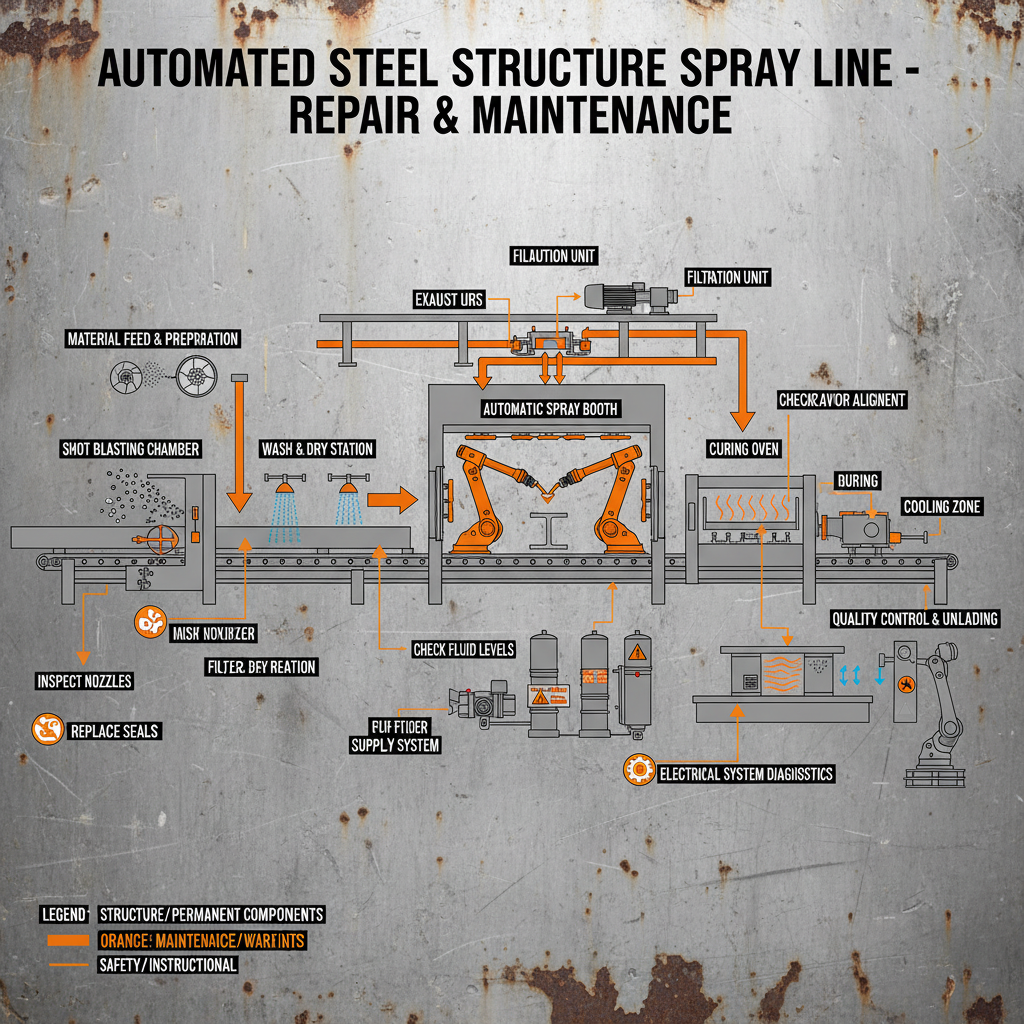
The most effective approach to maintaining a steel structure automatic spraying line is through a robust preventative maintenance program. This involves scheduled inspections, lubrication, and component replacement based on manufacturer recommendations and operational usage. Regularly checking the condition of spray nozzles, filters, and pumps is essential. Furthermore, monitoring the performance of the robotic arm and its associated sensors can identify early signs of wear or misalignment. A well-defined preventative maintenance schedule minimizes the risk of unexpected failures, reduces downtime, and extends the overall lifespan of the equipment. It's also crucial to maintain detailed records of all maintenance activities for tracking and analysis.
Key Highlights: A proactive approach to maintenance is far more cost-effective than reactive repairs. Regular inspections and lubrication are crucial for preventing costly breakdowns.
Common Failure Points in Spraying Lines
Several components are particularly prone to failure in automatic spraying lines. Spray nozzles frequently clog or wear out, leading to uneven coating application. Pumps can experience seal failures or motor issues, resulting in pressure drops or complete stoppage. Filters become saturated with paint residue, reducing flow rates and affecting coating quality. The robotic arm's joints and bearings are subject to wear and tear, potentially causing inaccuracies in the spraying process. Electrical connections can loosen or corrode, leading to intermittent operation or system failures. Identifying these common failure points allows for targeted preventative maintenance and faster troubleshooting when issues arise.
Common Failure Areas:
• Spray Nozzles: Clogging, wear, uneven spray patterns
• Pumps: Seal failure, motor issues, pressure drops
• Filters: Saturation, reduced flow rates
• Robotic Arm: Joint wear, bearing failure, misalignment
Repair and Maintenance: A Comparative Look
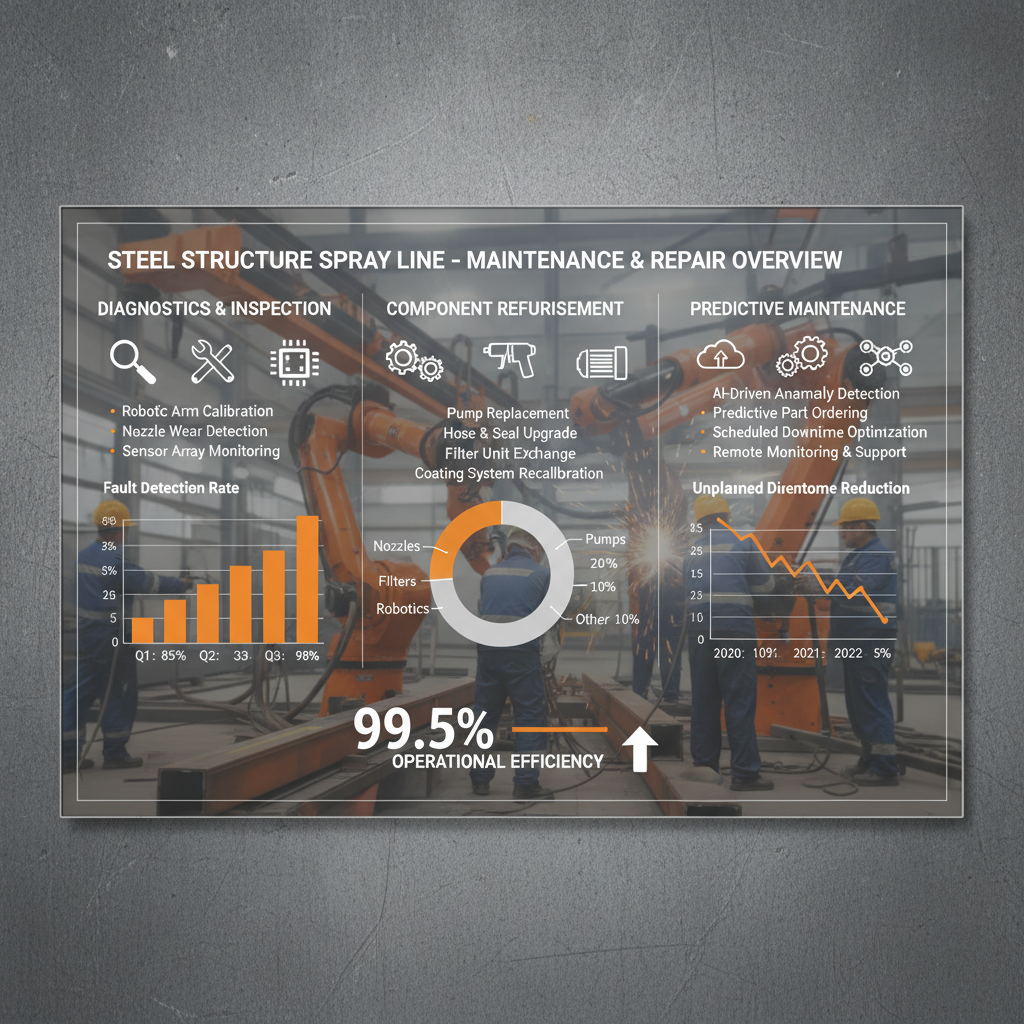
Different approaches to repair and maintenance offer varying levels of effectiveness and cost. Reactive maintenance, addressing failures as they occur, is often the most expensive option, leading to significant downtime and potential secondary damage. Preventative maintenance, as discussed earlier, minimizes these risks. Predictive maintenance, utilizing sensors and data analysis to anticipate failures before they happen, offers the highest level of reliability but requires a significant initial investment in technology. Choosing the optimal strategy depends on factors such as budget, production demands, and the criticality of the spraying line. Investing in professional repair services can also ensure that complex issues are addressed correctly and efficiently.
Optimizing Spray Quality Through Maintenance
Maintaining consistent spray quality is paramount. Regularly inspect and clean spray nozzles to ensure a uniform pattern. Monitor paint viscosity and flow rates to avoid defects such as runs, sags, or orange peel. Calibrate the robotic arm's movements to maintain accurate coating application. Ensure proper ventilation and filtration to prevent contamination and maintain a safe working environment. Investing in high-quality filters and regularly replacing them is crucial for preventing imperfections in the finish. Furthermore, proper grounding of all equipment is essential for preventing static electricity buildup, which can affect spray quality and pose a safety hazard.
The Role of Skilled Technicians and Training
Effective repair and maintenance of steel structure automatic spraying lines require skilled technicians with specialized knowledge. Investing in training programs for your maintenance personnel is essential. Technicians should be proficient in troubleshooting mechanical, electrical, and pneumatic systems. They should also be familiar with the specific features and maintenance requirements of your spraying line. Regular training ensures that technicians stay up-to-date with the latest technologies and best practices. Consider partnering with Yeeeed for comprehensive maintenance and training solutions.
Conclusion: Sustaining Performance Through Diligent Care
Investing in a comprehensive repair and maintenance program for your steel structure automatic spraying line is a strategic decision that yields significant long-term benefits. By prioritizing preventative measures, addressing common failure points proactively, and ensuring the expertise of your maintenance personnel, you can maximize equipment uptime, optimize production efficiency, and maintain consistent product quality. Don't underestimate the power of diligent care – it's the key to sustaining performance and protecting your investment.
Frequently Asked Questions (FAQs)
How often should I replace the filters in my spraying line?
The frequency of filter replacement depends on the paint type, volume of use, and environmental conditions. As a general guideline, filters should be checked weekly and replaced when they show signs of saturation or reduced flow. Clogged filters can lead to inconsistent spray patterns, reduced coating quality, and increased pump strain. Refer to the manufacturer’s recommendations for specific filter replacement intervals. Implementing a filter replacement schedule based on operating hours or paint volume used can help maintain optimal performance.
What are the signs that a spray nozzle needs to be replaced?
Several indicators suggest a spray nozzle requires replacement. These include an uneven spray pattern, dripping, clogging despite cleaning, and a noticeable change in the coating finish. If the nozzle produces a feathered or distorted spray, it's likely worn or damaged. Regularly inspecting nozzles for wear and tear and promptly replacing those that exhibit these symptoms ensures consistent coating quality and minimizes paint waste. Using a nozzle testing kit can also help identify subtle performance issues.
How can I prevent corrosion in my spraying line?
Corrosion can be a significant problem in spraying lines, particularly when water-based paints are used. Regularly cleaning and drying all components is crucial. Applying corrosion inhibitors to susceptible surfaces can provide additional protection. Ensuring proper ventilation helps remove moisture and prevent condensation. Inspecting and replacing corroded parts promptly prevents further damage and maintains the integrity of the system. Using stainless steel or corrosion-resistant materials for critical components is also a proactive measure.
What safety precautions should be taken during maintenance?
Safety is paramount during maintenance activities. Always disconnect the power supply before performing any work on the spraying line. Wear appropriate personal protective equipment (PPE), including gloves, safety glasses, and respirators. Ensure proper ventilation to avoid inhaling paint fumes. Follow lockout/tagout procedures to prevent accidental activation of the equipment. Properly dispose of waste materials according to local regulations. Never attempt repairs if you are not properly trained and qualified.
Latest News
-
Efficient automated hot air drying equipment for steel structure application
NewsApr.16,2026 -
Efficient hot air drying system for steel structure spraying line
NewsApr.09,2026 -
Optimizing Steel Structure Spraying with Hot Air Drying Technology Solutions
NewsApr.07,2026 -
HighEfficiency Hot Air Drying Painting Equipment for Superior Industrial Coatings
NewsApr.04,2026 -
Optimizing Industrial Processes with Hot Air Furnace Heating Spraying Systems
NewsMar.31,2026 -
Comprehensive Tailormade Steel Structure Spraying Solution for Enhanced Durability
NewsMar.28,2026 -
Optimizing Steel Structure Protection through Customization and Integration of Spraying System
NewsMar.26,2026