Comprehensive Guide to Painting Machines: Technology, Benefits, and Industry Applications
Painting Machine: Revolutionizing Precision and Efficiency in Industrial Coatings
Imagine a world where every industrial product gets a flawless finish every time—whether it’s automotive parts, household appliances, or massive ship hulls. That’s the promise of a painting machine. In essence, these machines automate the process of applying paints or coatings, ensuring consistency, saving time, and reducing waste. But why is this important globally?
Worldwide industrial growth and infrastructure projects demand higher productivity and quality standards. The rise in eco-awareness and sustainability goals also calls for more precise painting techniques to minimize volatile organic compounds (VOCs) and material waste. Understanding painting machines, therefore, isn’t just a technical sidebar; it’s critical to industries aiming for smarter, cleaner, and faster production lines.
Introduction: The Global Context of Painting Machines
According to the International Organization for Standardization (ISO), the global industrial coatings market was valued at over $120 billion in recent years and continues to grow. Painting machines play a powerful role here by automating and optimizing the application of coatings that protect, beautify, and extend the life of various products and structures.
Industrial sectors ranging from automotive manufacturing hubs in Germany and Japan, to shipbuilding yards in South Korea, rely on these machines for precision and speed. Yet, many manufacturers worldwide still face challenges such as uneven coats, high emissions, or operational inefficiencies during manual painting.
Painting machines address these issues by enabling high-volume, uniform paint application, dramatically cutting down human error and environmental footprint. In a world moving toward tighter sustainability laws and higher quality demands, they are indispensable tools for modern manufacturing.
What Is a Painting Machine?
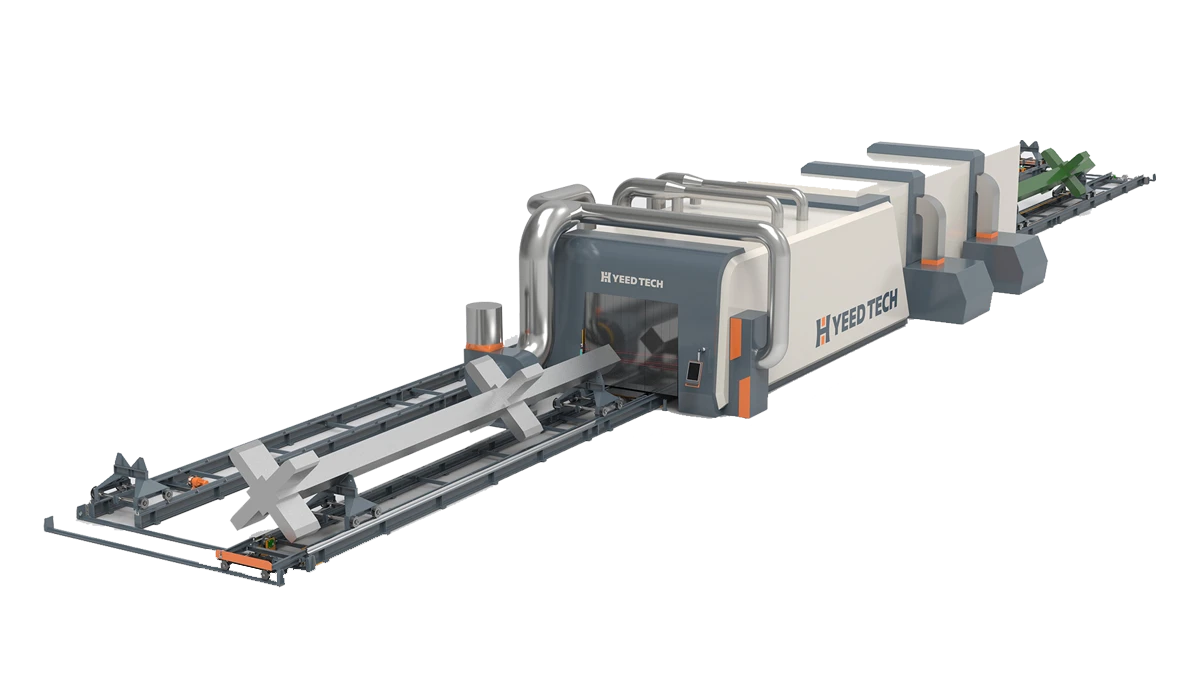
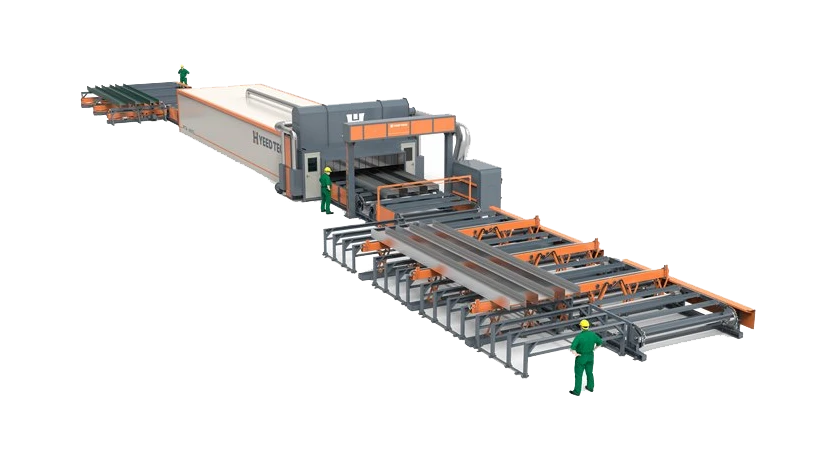
At its core, a painting machine is an automated system designed to apply paint or other surface coatings onto objects. These machines range from simple robotic arms in automotive factories to advanced electrostatic sprayers used in aerospace. The principle is straightforward: a controlled delivery of paint that can be programmed for thickness, speed, and spray pattern.
But beyond just “painting,” these machines represent an intersection of robotics, fluid mechanics, and material science. They help industries produce durable, aesthetically pleasing surfaces while reducing waste, protecting workers from harmful fumes, and increasing throughput.
Key Components and Factors of a Painting Machine
1. Precision Control
The ability to regulate paint flow, pattern, and thickness is essential. Modern machines integrate sensors and computer controls for calibration, ensuring each surface gets a uniform coat irrespective of shape complexity.
2. Durability and Maintenance
Painting machines operate in challenging environments, often exposed to solvents and dust. Materials used for components must resist corrosion and wear. Easy maintenance access keeps downtime low.
3. Scalability
From small workshops to enormous factories, painting machines need to adapt. Modular designs or adjustable robotic arms allow businesses to scale operations smoothly.
4. Environmental Compliance
New machines now incorporate low-VOC spraying technologies, reducing toxic emissions and overspray. Electrostatic painting, for example, significantly improves paint transfer efficiency, a big step toward sustainability.
5. Integration with Production Lines
Modern painting equipment seamlessly links with broader assembly chain software, allowing real-time monitoring, quality control, and predictive maintenance.
Painting Machine Specifications at a Glance
| Specification | Details |
|---|---|
| Spray Technology | Electrostatic / Air Spray / Airless |
| Paint Types Supported | Solvent-based, Waterborne, Powder Coatings |
| Automation Level | Semi-automatic to Fully Robotic |
| Max Painting Area | Up to 10 m² per cycle |
| Cycle Time | 20-60 seconds per unit |
| Power Supply | 220V – 480V Three-phase |
Global Applications and Use Cases
Painting machines show up in all sorts of industries and regions:
- Automotive Manufacturing (Europe, Japan): Automated painting robots produce consistent finishes on car bodies while minimizing emissions.
- Shipbuilding (South Korea, China): Heavy-duty painting systems protect hulls with anti-corrosive coatings, essential for maritime durability.
- Construction Equipment (USA, Germany): Durable coatings ensure machinery survives harsh outdoor conditions.
- Post-Disaster Infrastructure Repair: painting machines help quickly restore surface protection on temporary shelters and equipment.
- Consumer Electronics: Precision painting machines add glossy or matte finishes with fine detail on phone cases and other gadgets.
In many emerging markets, where skilled labor shortages are common, these machines offer reliability and quality hard to match by manual workers—improving the overall industrial capacity in regions that need it most.
Mini Takeaway:
Painting machines aren’t one-size-fits-all but versatile tools that impact diverse industries globally, accelerating quality and sustainability for surface coatings worldwide.
Advantages & Long-Term Value
The benefits of investing in painting machinery go beyond the obvious:
- Cost Savings: Reduced paint waste and labor costs shrink budgets over time, even if the initial investment seems steep.
- Environmental Benefits: Efficient paint transfer cuts VOCs and solvents released into air and water.
- Quality Assurance: Uniform application reduces defects, enhancing product reputation and reducing returns.
- Worker Safety: Reduced exposure to fumes and hazardous solvents improves occupational health.
- Innovation Potential: Integration with AI and IoT is paving the way for smart painting lines that self-optimize.
Oddly enough, many operators say the smooth finish each machine leaves “feels like a signature of modern craftsmanship,” even in mass production.
Future Trends and Innovations
Looking ahead, several exciting developments are shaping the painting machine landscape:
- Green Materials: Waterborne and bio-based paints reduce environmental impact.
- Robotic Automation: Advanced AI enables painting robots to adapt to complex shapes in real time.
- Digital Twins and Predictive Maintenance: Manufacturers create virtual models to monitor wear and optimize uptime.
- Energy Efficiency: New power systems cut energy consumption, aligning with global sustainability goals.
Challenges and Practical Solutions
Despite the advances, challenges remain:
- High Initial Costs: Small manufacturers often hesitate to invest, but leasing and modular options are becoming popular solutions.
- Training Needs: Operators need specialized skills; partnerships with manufacturers for training programs help bridge the gap.
- Material Compatibility: Not every paint type works with all machines, requiring careful selection upfront.
Innovative coatings specialists and engineering teams constantly collaborate to overcome these hurdles, ever pushing the tech forward.
Vendor Comparison: Leading Painting Machine Brands
| Brand | Automation Level | Sustainability Features | Industry Focus | Price Range |
|---|---|---|---|---|
| PaintPro Robotics | Fully Robotic | Electrostatic, Low VOC | Automotive, Aerospace | High |
| EcoSpray Systems | Semi-automatic | Waterborne Compatible | Industrial Equipment | Mid |
| FastCoat Technologies | Manual Touch with Automation | VOC Reduction Tech | Construction, Consumer Goods | Low to Mid |
Frequently Asked Questions about Painting Machines
- Q: How does a painting machine improve paint efficiency compared to manual methods?
- A: Painting machines deliver controlled spray patterns and exact paint volumes, reducing overspray and waste. This can improve material usage efficiency by up to 30%, saving costs and minimizing environmental impact.
- Q: Can painting machines handle different paint types?
- Yes, modern systems support solvent-based, waterborne, and powder coatings. However, machines must be selected or adjusted to match paint viscosity and curing requirements.
- Q: Are painting machines suitable for small-scale manufacturing?
- While more common in large factories, smaller modular or semi-automatic painting machines exist, balancing cost with automation benefits, suitable for startups or niche producers.
- Q: How do painting machines contribute to worker safety?
- By automating spray tasks, workers are less exposed to hazardous fumes and repetitive motion injuries, complying with occupational health standards globally.
Conclusion: The Long-Term Benefits of Painting Machines
In a nutshell, investing in a painting machine means embracing efficiency, quality, and sustainability. These machines not only elevate product finish to consistent, professional standards but also contribute significantly to environmental goals and workplace safety. As industries evolve, integrating advanced painting machinery is less an option and more a necessity for forward-thinking manufacturers.
Interested in upgrading your production line? Visit our website for tailored solutions and innovations: https://www.yeedtech.com
It’s fascinating how a machine that simply sprays paint could transform so many sectors—like turning a routine process into a precise science. Quite the splash of innovation, if you ask me.
References
Latest News
-
Efficient automated hot air drying equipment for steel structure application
NewsApr.16,2026 -
Efficient hot air drying system for steel structure spraying line
NewsApr.09,2026 -
Optimizing Steel Structure Spraying with Hot Air Drying Technology Solutions
NewsApr.07,2026 -
HighEfficiency Hot Air Drying Painting Equipment for Superior Industrial Coatings
NewsApr.04,2026 -
Optimizing Industrial Processes with Hot Air Furnace Heating Spraying Systems
NewsMar.31,2026 -
Comprehensive Tailormade Steel Structure Spraying Solution for Enhanced Durability
NewsMar.28,2026 -
Optimizing Steel Structure Protection through Customization and Integration of Spraying System
NewsMar.26,2026