Comprehensive Guide to Boom Welding Machines: Global Impact, Benefits & Innovations
What Exactly Is a Boom Welding Machine and Why Should We Care?
If you’ve ever been curious about the massive welding tasks involved in industries like shipbuilding, large-scale construction, or even heavy machinery manufacturing, then the boom welding machine is one of those unsung heroes behind the scenes. Globally, these devices play a crucial role in maintaining production efficiency, structural integrity, and worker safety. Grasping their workings isn't just for technicians; it’s essential for anyone invested in industrial innovation, disaster relief infrastructure, and sustainable manufacturing.
To put it simply, a boom welding machine is a type of mechanized welding equipment designed to reach distant or awkward spots on large metal components with precision and safety. The global demand for large-scale fabrication — from offshore oil rigs to railcars — makes these machines indispensable. But oddly enough, their importance is often overshadowed by flashier manufacturing tech.
The Global Context: Why Boom Welding Machines Matter Today
According to data from the International Standard Organization (ISO) and the World Bank, industries involved in large metal fabrication grow steadily, especially within Asia and parts of Europe. A 2022 survey estimated the global industrial welding market to surpass $18 billion by 2027, largely propelled by innovations like boom welding machines. Yet, many facilities struggle with manual welding limitations such as reach, safety risks, and inconsistent weld quality.
This is precisely where boom welding machines step in: they address the challenge of accessing vast welding points without extensive manual repositioning, reducing delays and human errors. In disaster relief zones, for instance, their role in quickly fabricating metal shelters or temporary infrastructure cannot be overstated.
Mini Takeaway:
- Boom welding machines are critical to global manufacturing and emergency response industries.
- They solve real-world problems like reach and safety, helping industries scale and innovate.
Defining the Boom Welding Machine: The Nuts and Bolts
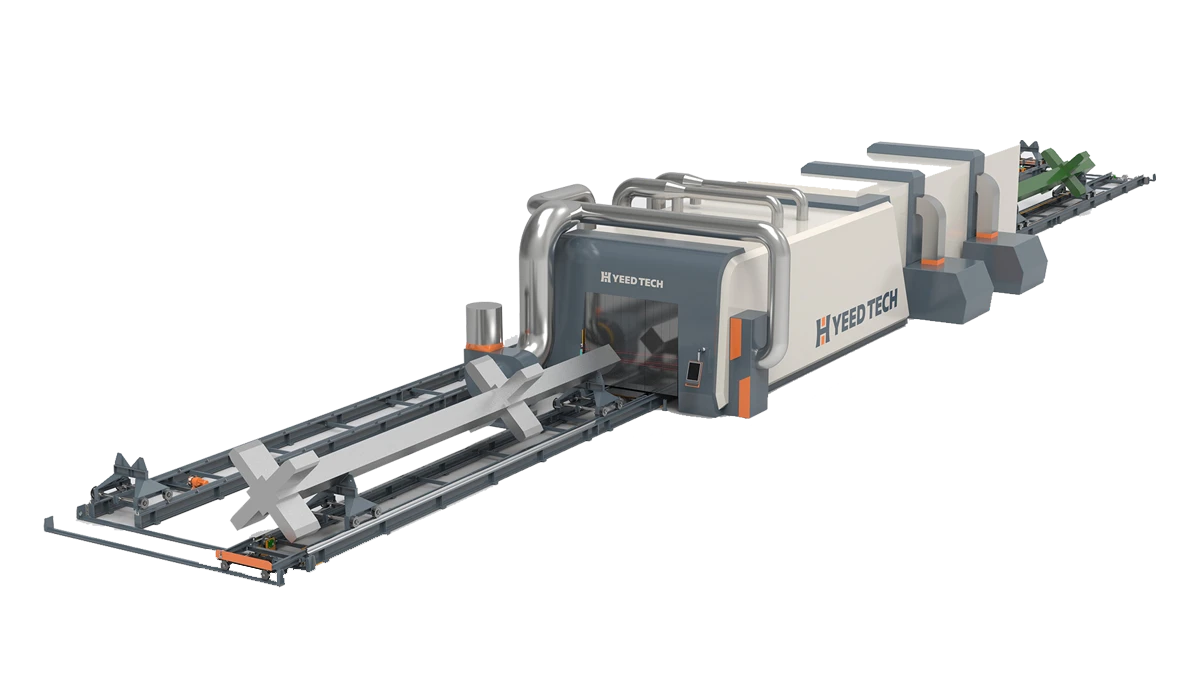
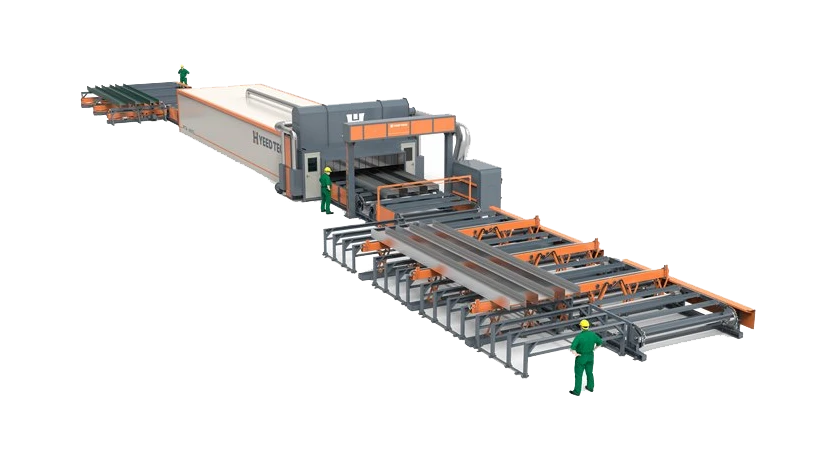
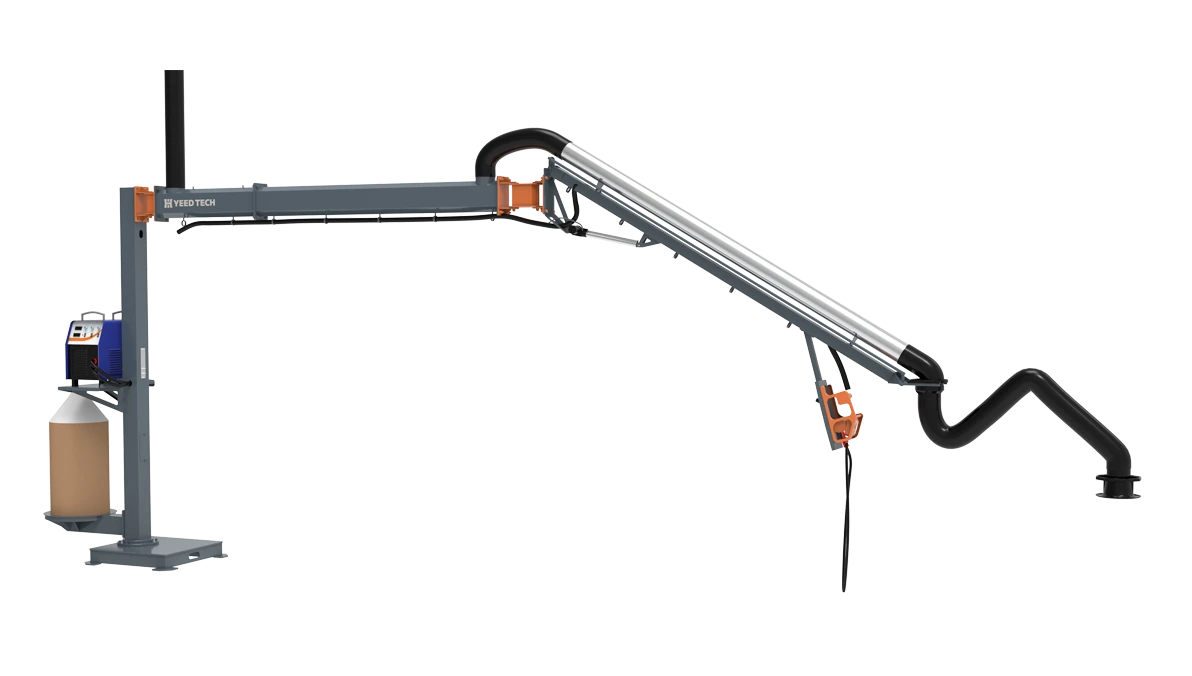
In a nutshell, a boom welding machine is a mechanized arm attached to a stable base or track that holds and guides the welding torch over very large or hard-to-reach metal surfaces. Unlike conventional welding torches that require manual operation close to the weld seam, the boom arm extends and maneuvers automatically, allowing precision work over extensive distances or awkward geometries.
These machines are often paired with automated welding processes—like MIG or TIG—and integration with computer systems for repeatable, high-quality welds. Imagine welding a massive ship hull or bridge segment where human reach is simply inadequate or unsafe; this is precisely when boom welding machines shine.
Mini Takeaway:
- They combine mechanical reach and automated precision to handle large-scale welding projects.
- Essential for industries requiring consistent, safe access to large or complex structures.
Key Components That Make Boom Welding Machines Tick
1. Durability and Structural Strength
Since these machines must handle large loads and often operate in harsh industrial environments, their frames and booms are built with high-strength steel alloys designed to last years of rigorous use. This means less downtime and greater reliability.
2. Scalability and Reach
The boom length and articulation points define how far and flexibly the device can weld. Some models offer adjustable booms from 10 to 30 meters or more, perfect for giants like aircraft fuselages or large pressure vessels.
3. Welding Technology Compatibility
Good boom welders integrate with various welding techs — from manual arc to automated MIG/TIG — adapting to different metals and thicknesses, making them versatile for multiple industries.
4. Safety Systems
These include operator protection shields, emergency stops, and often motion-sensing features to prevent accidents. Remember, welding emits intense heat and light, so minimizing operator exposure is paramount.
5. Cost Efficiency
While upfront costs can be significant, the improved weld quality and reduced labor costs mean overall savings in the long run. Some companies report up to 30% reduction in material waste and rework.
| Feature | Specification | Notes |
|---|---|---|
| Boom Length | 10-30 meters | Variable by model |
| Welding Types Supported | MIG, TIG, Arc | Multi-tech compatible |
| Payload Capacity | Up to 200 kg | Supports heavy torches & accessories |
| Control System | Manual and automated options | Includes CNC integration |
| Safety Features | Motion sensors, shields, emergency stops | Operator protection prioritized |
Mini Takeaway:
- Durability, scalability, and safety form the backbone of effective boom welding machines.
- Compatibility with welding types ensures versatile use across industries.
Global Applications: Where Boom Welding Machines Make a Real Impact
Take shipyards in South Korea or Germany: they rely heavily on these machines to weld ship hull sections quickly and consistently. In remote mining zones in Australia or Canada, boom welders enable fabrication of large equipment on-site, minimizing downtime and shipping costs.
Humanitarian organizations even leverage these machines during post-disaster recovery to build emergency metal shelters, bridges, or water tanks swiftly, especially when manual welding is too slow or dangerous.
Oddly enough, military vehicle manufacturing also benefits from boom welding's precision welding over difficult geometries, making armor plating both durable and reliable.
Mini Takeaway:
- From shipbuilding to disaster relief, boom welding machines serve diverse sectors worldwide.
- Their role in remote or hazardous environments illustrates their operational advantage.
Advantages & Long-Term Value of Using Boom Welding Machines
Cost savings over time come from higher weld quality, reduced rework, and less fuel or material waste. Sure, the initial investment seems steep, but when weighed against lower labor risks and increased throughput, it’s often justified.
Plus, the enhanced safety features reduce accidents dramatically, protecting welders from intense heat and fumes. This adds an emotional element too — knowing your team is safer and production is sustainable breeds trust and morale.
On a broader scale, precision welding supported by these systems leads to energy-efficient structures — whether in bridges, pipelines, or heavy machinery — contributing to environmental sustainability.
Mini Takeaway:
- Boom welding machines deliver cost savings, safety, and sustainability.
- The social and environmental benefits align with modern manufacturing ethics.
Future Trends & Innovations in Boom Welding Technology
The industry is moving towards greener, automated solutions. Some new boom welders integrate AI-based weld inspection systems or robotic arms with enhanced dexterity. Digital twins (3D computerized models) allow pre-testing weld sequences to optimize resource use.
Also, as the drive for low-emission manufacturing ramps up, boom welders compatible with hydrogen or battery-powered welding systems are beginning to appear, cutting down industrial carbon footprints.
Mini Takeaway:
- Look out for automation, AI integration, and green energy compatibility.
- Industry 4.0 is influencing even traditionally rugged equipment like boom welders.
Challenges and Solutions: Navigating Limitations
No tech is perfect, of course. Boom welding machines can be costly upfront, require skilled operators, and sometimes face terrain or size constraints. For harsh outdoor sites, weatherproofing remains a challenge, and integrating legacy systems can complicate upgrades.
Innovative solutions like modular boom designs and remote operation controls are helping, alongside robust operator training and maintenance programs. Partnering with experienced vendors ensures better customization and scalability.
| Vendor | Boom Length Range | Automation Level | Price Range (USD) | Support & Training |
|---|---|---|---|---|
| WeldPro Systems | 12–25 m | Semi-auto | $150,000–$300,000 | Comprehensive onsite training |
| MegaWeld Tech | 10–30 m | Fully automated | $280,000–$500,000 | 24/7 remote support |
| RoboticArc Inc. | 15–20 m | Robot-integrated | $200,000–$350,000 | Custom software & hands-on workshops |
FAQ: Common Questions About Boom Welding Machines
Q1: What industries benefit most from boom welding machines?
A: Industries like shipbuilding, heavy equipment manufacturing, aerospace, and infrastructure construction find boom welders invaluable due to their need for precise, large-scale, and safe welding operations.
Q2: How do boom welding machines improve worker safety?
A: By distancing operators from the intense heat, sparks, and fumes involved in welding, plus incorporating safety sensors and protective barriers, these machines reduce direct exposure and accident risks.
Q3: Can a boom welding machine be customized for unique projects?
A: Yes, vendors often offer modular booms and adaptable control systems, allowing tailoring according to the reach, weight capacity, and automation level needed for specific tasks.
Q4: What’s the typical lifespan of a boom welding machine in industrial use?
A: With routine maintenance and proper operation, boom welding machines can last 10 to 20 years or more, making them a long-term investment.
Q5: Are boom welding machines environmentally friendly?
A: When combined with efficient welding techniques and green power sources, these machines contribute to reduced waste, energy use, and overall carbon footprint in manufacturing.
Wrapping It Up + Where to Learn More
Frankly, the boom welding machine isn’t just another piece of industrial equipment; it revolutionizes how we approach large-scale welding challenges worldwide. Their ability to reach unreachable spots safely and efficiently delivers undeniable long-term value — economically, environmentally, and socially.
If you want to explore further, or perhaps get a quote tailored to your projects, you might want to check out our detailed boom welding machine offerings. It’s a good jump-off point, especially if you’re navigating this technology for the first time.
Thanks for sticking with me through this dive. Welding big things with precision is an art and a science, and these machines make it something achievable — and sometimes even elegant.
Keep an eye on the horizon for automation and green tech innovations shaping boom welders’ future.
References:
1. International Standard Organization, Welding Processes and Safety Guidelines, ISO 4063 (2021).
2. World Bank Industrial Fabrication Market Report, 2022.
3. Wikipedia contributors, “Welding,” Wikipedia, The Free Encyclopedia, 2024.
Latest News
-
Efficient automated hot air drying equipment for steel structure application
NewsApr.16,2026 -
Efficient hot air drying system for steel structure spraying line
NewsApr.09,2026 -
Optimizing Steel Structure Spraying with Hot Air Drying Technology Solutions
NewsApr.07,2026 -
HighEfficiency Hot Air Drying Painting Equipment for Superior Industrial Coatings
NewsApr.04,2026 -
Optimizing Industrial Processes with Hot Air Furnace Heating Spraying Systems
NewsMar.31,2026 -
Comprehensive Tailormade Steel Structure Spraying Solution for Enhanced Durability
NewsMar.28,2026 -
Optimizing Steel Structure Protection through Customization and Integration of Spraying System
NewsMar.26,2026