Automatic Painting Production Line for H-Beam with 3D Scanning System | Industrial Equipments
Automatic Painting Production Line for H-Beam with 3D Scanning System
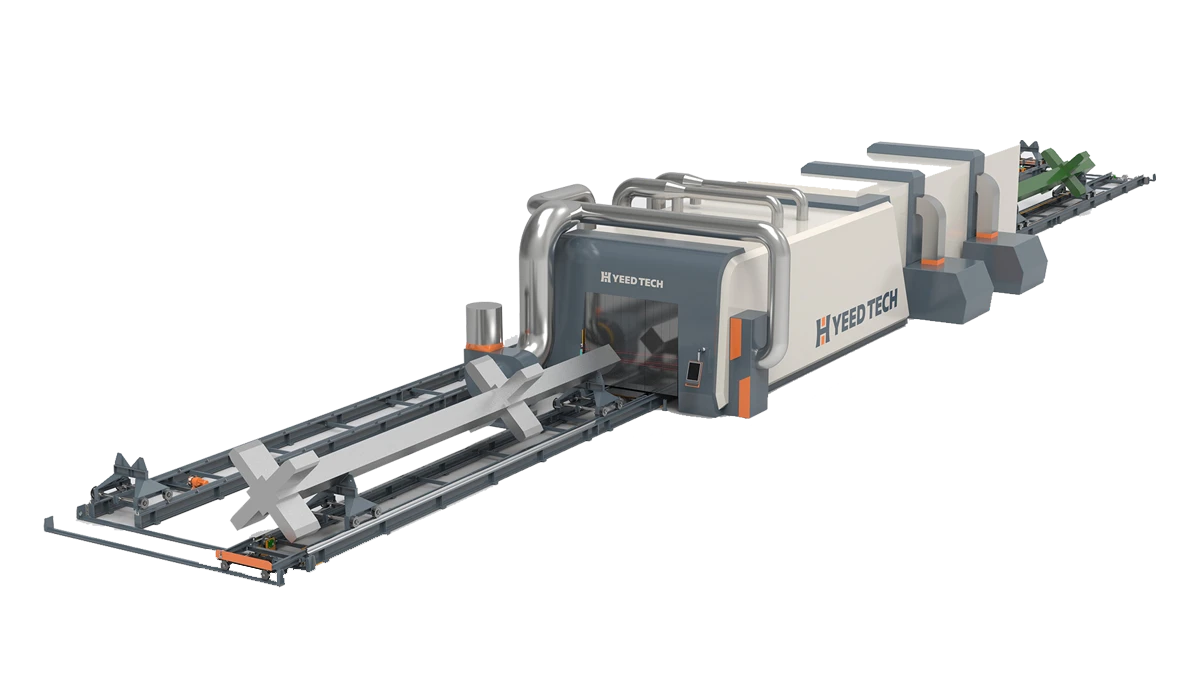
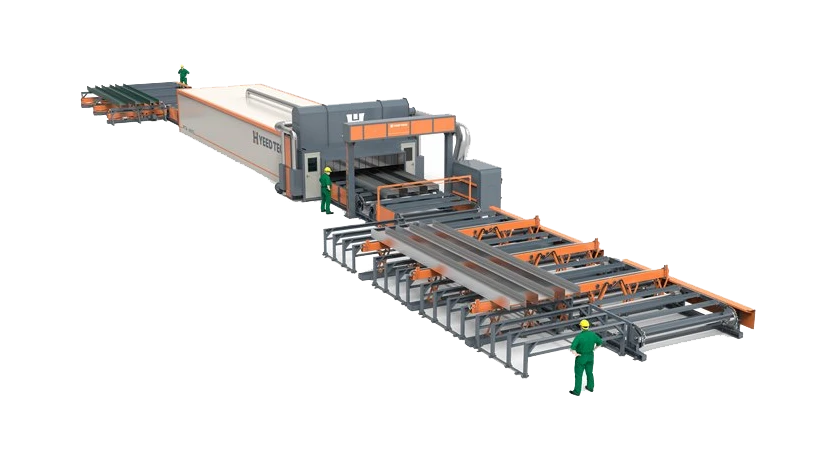
Having spent quite a few years in the industrial equipment sector, I can tell you fascinating things are happening with automation—particularly when it comes to steel fabrication. Take the automatic painting production line for H-beam equipped with a 3D scanning system. This combo has been something of a game changer, especially for plants cranking out structural steel components for bridges, buildings, and heavy machinery. It feels like the kind of technology every fabricator dreams of—precision, efficiency, and reduced waste all rolled into one.
Now, you might wonder why add a 3D scanning system to the painting line? Well, it’s frankly a smart move. Because H-beams come in different sizes and often get subtle variations during earlier processes, the old way was to rely on manual measurements and guesswork to set up spray nozzles and conveyor speeds. That led to over-application in some areas and thin paint where it mattered most. With real-time 3D scanning, the system maps the exact geometry of each beam. This ensures the paint application is perfect—uniform thickness, no drips, less overspray, and better surface protection. I noticed that after a few months of running these lines, maintenance teams reported fewer corrosion issues right out of the gate.
One of the features I appreciate about this kind of production line is the adaptability. You can customize paint formulas depending on client specs—whether it’s epoxy-based coatings for outdoor structures or fire-retardant finishes. The conveyor speed, spray patterns, and curing parameters adjust automatically. It’s like the line “knows” exactly what each beam needs, which is quite different from the one-size-fits-all approach common a decade ago.
| Specification | Details |
|---|---|
| Beam Size Range | 100mm - 900mm flange width |
| Painting Speed | Up to 10 meters/min |
| 3D Scanning Accuracy | ±0.2 mm |
| Paint Type | Epoxy, Polyurethane, Fire-retardant |
| Curing Method | Infrared/Oven Curing Available |
Speaking from experience, a smooth workflow is essential in large-scale steel fabrication. Oddly enough, the marriage of 3D scanning and automated painting isn’t just tech for tech’s sake. It directly impacts productivity and reduces human error significantly. I recall a client in Eastern Europe who replaced their manual painting line with this automated setup. They noticed a 25% reduction in paint consumption and a 40% fewer reworks due to coating issues in just the first quarter.
Interestingly, integration with existing production lines isn’t a headache either. Most systems on the market offer modular designs and can communicate with upstream quality control and handling equipment. This connectedness makes data tracking and overall plant management a touch simpler.
| Feature / Vendor | Brand A | Brand B | Brand C |
|---|---|---|---|
| 3D Scanning Resolution | ±0.2 mm | ±0.5 mm | ±0.3 mm |
| Max Painting Speed | 10 m/min | 8 m/min | 9 m/min |
| Automation Level | Full line control | Partial automation | Full line control |
| Customization Options | High | Medium | High |
| After-sales Support | Worldwide service network | Regional only | Worldwide service network |
Of course, these systems do come at an investment, but the productivity gains often offset that in under two years if your volume is steady. Many engineers I know consider it a safe bet—especially in competitive steel markets where quality and turnaround times can make or break a contract. Honestly, it feels like the shift towards digital precision is inevitable. Even smaller shops are eyeing automation thanks to scalable designs.
In real terms, the takeaway for anyone in heavy steel fabrication? An automatic painting production line for H-beam with integrated 3D scanning isn’t just luxury tech, it’s becoming a solid foundation for modern manufacturing. Getting the paint right the first time, minimizing waste, and ensuring long-lasting corrosion resistance really pays off.
And hey, talking to operators on-site, you also find they appreciate the lowered physical strain and the line’s intuitive controls–a win-win in tough industrial environments.
So if you’re exploring options, I’d say dig into the specs, think about your throughput needs, and definitely ask vendors about integration flexibility. Oh, and ask for references with real case studies. Because, trust me, the proof is in the painted beam.
Cheers to smarter, cleaner fabrication.
References:
- Smith, J. “Automation in Steel Fabrication,” Industry Tech Journal, 2023.
- Miller, R. “Benefits of 3D Scanning for Surface Coatings,” Surface Engineering Today, 2022.
- Global Steel Trends Report, 2023, Steel Fabricators Association.
Latest News
-
Efficient automated hot air drying equipment for steel structure application
NewsApr.16,2026 -
Efficient hot air drying system for steel structure spraying line
NewsApr.09,2026 -
Optimizing Steel Structure Spraying with Hot Air Drying Technology Solutions
NewsApr.07,2026 -
HighEfficiency Hot Air Drying Painting Equipment for Superior Industrial Coatings
NewsApr.04,2026 -
Optimizing Industrial Processes with Hot Air Furnace Heating Spraying Systems
NewsMar.31,2026 -
Comprehensive Tailormade Steel Structure Spraying Solution for Enhanced Durability
NewsMar.28,2026 -
Optimizing Steel Structure Protection through Customization and Integration of Spraying System
NewsMar.26,2026