Automated Paint Sprayer: Enhancing Efficiency & Sustainability in Modern Industry
Automated Paint Sprayer: Revolutionizing Industrial Efficiency Globally
What exactly is an automated paint sprayer, and why is this technology gaining urgent interest worldwide? At its core, an automated paint sprayer is a mechanized system designed to apply paint or coating materials with high precision and efficiency, replacing manual efforts. This matters far beyond just factories or car shops: automated spraying can drive resource efficiency, promote sustainability, and elevate product quality across industries faced with mounting production demands. The ability to standardize coatings quickly and safely is becoming a critical industrial asset, especially in a globally connected economy.
Introduction: The Global Context for Automated Paint Sprayers
According to the International Organization for Standardization (ISO), the manufacturing sector accounts for more than 16% of global GDP. In this massive arena, automation technologies like automated paint sprayers are becoming indispensable. The World Bank recently reported that enhanced manufacturing productivity through automation can reduce waste and increase workforce safety — especially in emerging economies where industrial growth is rapid but environmental regulations are evolving.
However, one pressing challenge remains: manual painting is labor-intensive, inconsistent, and often hazardous due to volatile organic compounds (VOCs) emitted during spray. Automated paint sprayers address such issues by offering controlled, reproducible application — making them critical both for quality and environmental compliance.
Mini Takeaway: Automated paint sprayers are not just tools; they're strategic assets that promise safer, cleaner, and more consistent industrial painting worldwide.What is an Automated Paint Sprayer?
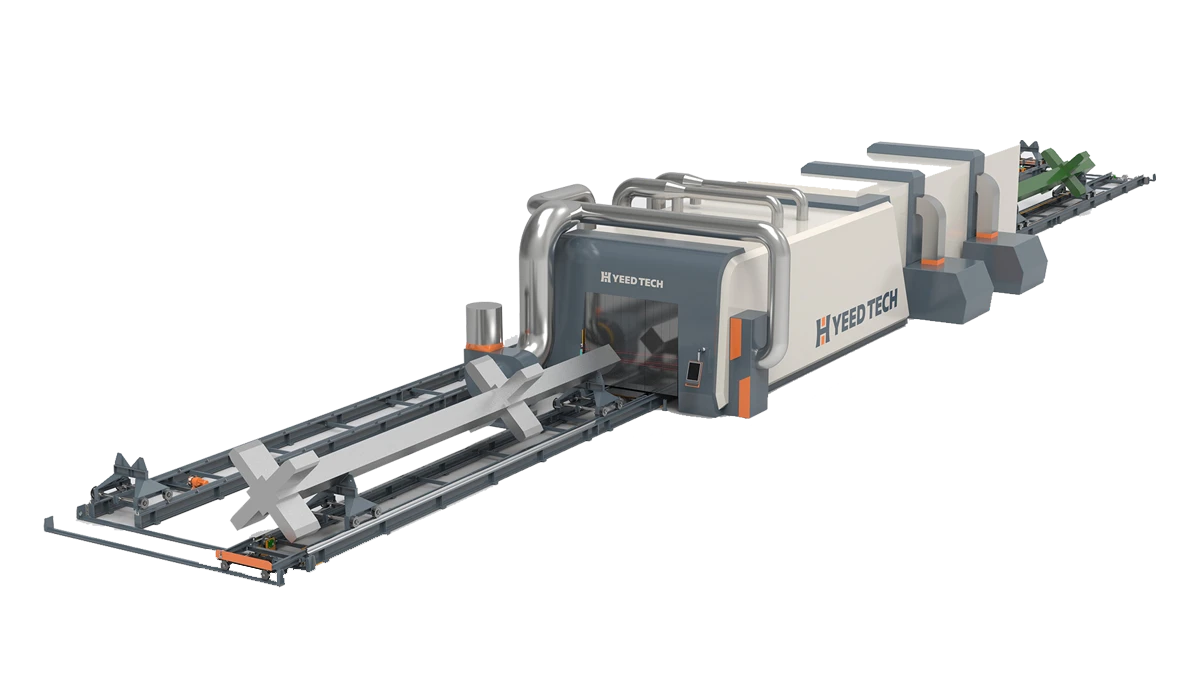
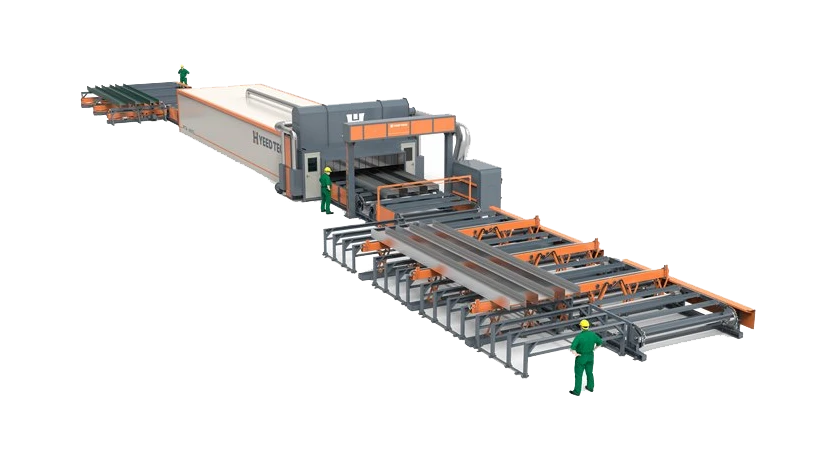
Simply put, an automated paint sprayer is a machine or robotic system programmed to coat surfaces with paint without manual intervention. Unlike handheld sprayers, these systems use precision controls to modulate spray patterns, volume, and speed — often integrated with computer vision and robotics arms.
Their relevance stretches from automotive assembly lines to aerospace manufacturing and even humanitarian infrastructure projects, where quick, uniform coating is essential to protect materials from weather and wear.
Core Components and Factors in Automated Paint Spraying
1. Precision and Control
Automated paint sprayers utilize computerized controls to ensure even, repeatable coating which reduces material waste and defects.
2. Durability and Materials Compatibility
These systems must handle a variety of paints and protective coatings, often resistant to chemical corrosion and capable of continuous operation.
3. Scalability and Speed
Many robotics systems scale easily from small production batches to high-volume manufacturing, adjusting spray rates on-the-fly.
4. Cost Efficiency
While initial investment might be high, decreased paint consumption and labor costs often offset the spending within months.
5. Safety and Environmental Impact
By containing overspray and solvent emissions better than manual methods, automated sprayers help factories meet stricter environmental standards.
Mini Takeaway: When choosing an automated paint sprayer, aspects like precision, adaptability, and sustainability are paramount for real-world impact.Product Specification Table - Typical Automated Paint Sprayer
| Feature | Specification |
|---|---|
| Spray Type | Electrostatic / Airless |
| Paint Types | Water-based, Solvent-based, Powder Coatings |
| Automation Level | Fully programmable robotic arms |
| Cycle Time | 30–60 seconds per component |
| Overspray Efficiency | Up to 95% material transfer efficiency |
| Power Consumption | 3-5 kW per unit |
Global Applications & Use Cases
Some fascinating applications of automated paint sprayers include automotive assembly lines in Germany and Japan, where uniform coatings cut defect rates by nearly 40%. In the aerospace industry in the U.S. and France, these sprayers reduce waste of costly coatings significantly.
Oddly enough, humanitarian organizations involved in rebuilding post-disaster shelters in Southeast Asia have recently explored deploying automated sprayers for quick protective coatings, enhancing structures’ durability against monsoons.
Meanwhile, remote industrial zones in Canada and Australia find that automated sprayers reduce labor dependence where skilled painters are scarce — which honestly feels like a real game changer.
Vendor Comparison Table of Popular Automated Paint Sprayer Brands
| Brand | Automation Type | Price Range (USD) | Best For | Support |
|---|---|---|---|---|
| CoatBot | Robotic Arm with AI Vision | $50,000 – $85,000 | Automotive, Aerospace | 24/7 Online Support |
| SprayMaster | Semi-automated Conveyor Sprayers | $35,000 – $60,000 | Small to Medium Production | Regional Service Centers |
| EcoCoat Pro | Fully Automated with Overspray Capture | $70,000 – $110,000 | High-Volume, Eco-Friendly | On-site Installation & Training |
Advantages and Long-Term Value of Automated Paint Sprayers
Beyond obvious cost savings and emission reductions, installing automated paint sprayers also means improved workplace safety—fewer human operators exposed to paint fumes and repetitive strain injuries. On an emotional level, operators report increased trust in the system’s reliability, which, frankly, creates workplace calm in what can be an intense environment.
From a sustainability perspective, automation leads to less overspray waste, minimizing environmental contamination and helping companies meet rising compliance standards. Socially, some manufacturers find their ability to quickly ramp production makes them more competitive globally — which, in uncertain economies, translates directly to worker stability and community prosperity.
Future Trends & Innovations
Looking forward, one of the most exciting leaps involves integrating automated paint sprayers with Industry 4.0 — smart factories powered by IoT devices and AI. Imagine sprayers that self-adjust to coating thickness using real-time sensors or even machine learning predicting maintenance needs before downtime occurs.
Moreover, green innovations are pushing water-based and UV-cured paints that dry instantly under LED lighting, reducing energy use. Combining these with automated sprayers could transform product lines to be faster, greener, and more flexible.
Challenges and Solutions
Despite progress, some challenges persist. Initial costs may deter smaller manufacturers, and integrating automation in legacy production lines often requires customized engineering. Maintenance in dusty or corrosive environments can also present reliability issues.
Many experts recommend modular systems that scale up as businesses grow, alongside robust training programs. Plus, hybrid approaches combining human oversight and automation often yield the best balance in unpredictable real-world conditions.
FAQ: Common Questions About Automated Paint Sprayers
- Q: How do automated paint sprayers improve paint consistency compared to manual spraying?
A: Automated sprayers use programmable controls ensuring even application volume and speed, eliminating human error and reducing defects across every coated item. - Q: Are automated paint sprayers suitable for all types of paints and coatings?
A: Most systems support water-based, solvent-based, and powder coatings; however, compatibility should be verified based on your specific paint formulation. - Q: What is the typical return on investment timeframe for these systems?
A: While initial costs vary, many users report recovering investment within 6 to 18 months thanks to reduced labor and material savings. - Q: Can these sprayers be integrated into existing production lines?
A: Yes, many vendors offer customized installation to fit legacy equipment, but it’s advisable to plan for possible line downtime during integration.
Conclusion
In real terms, automated paint sprayers deliver a potent mix of speed, precision, sustainability, and cost-effectiveness that is hard to beat in modern manufacturing. They represent not only a technological upgrade but a strategic shift toward safer, cleaner, and smarter production processes that will only grow more vital in global industries.
Ready to embrace the future of industrial coating? Visit our website: automated paint sprayer to discover tailored solutions that fit your needs.
Reflecting on the journey from simple spray guns to AI-powered systems really highlights how industrial automation is quietly reshaping manufacturing everywhere — and that’s something worth watching closely.
References:
Latest News
-
Efficient automated hot air drying equipment for steel structure application
NewsApr.16,2026 -
Efficient hot air drying system for steel structure spraying line
NewsApr.09,2026 -
Optimizing Steel Structure Spraying with Hot Air Drying Technology Solutions
NewsApr.07,2026 -
HighEfficiency Hot Air Drying Painting Equipment for Superior Industrial Coatings
NewsApr.04,2026 -
Optimizing Industrial Processes with Hot Air Furnace Heating Spraying Systems
NewsMar.31,2026 -
Comprehensive Tailormade Steel Structure Spraying Solution for Enhanced Durability
NewsMar.28,2026 -
Optimizing Steel Structure Protection through Customization and Integration of Spraying System
NewsMar.26,2026