55-Meter Automatic Painting Line for Steel Structure with 3D Scanning
55-Meter-Long Automatic Painting Line for Steel Structures with 3D Scanning
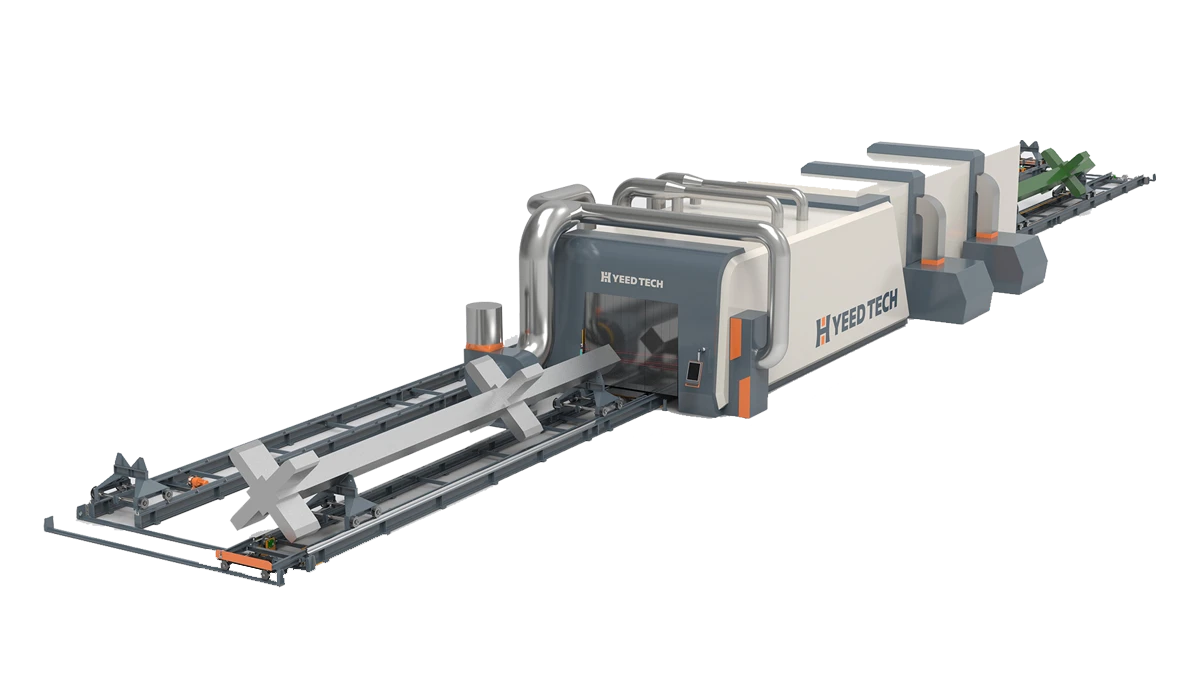
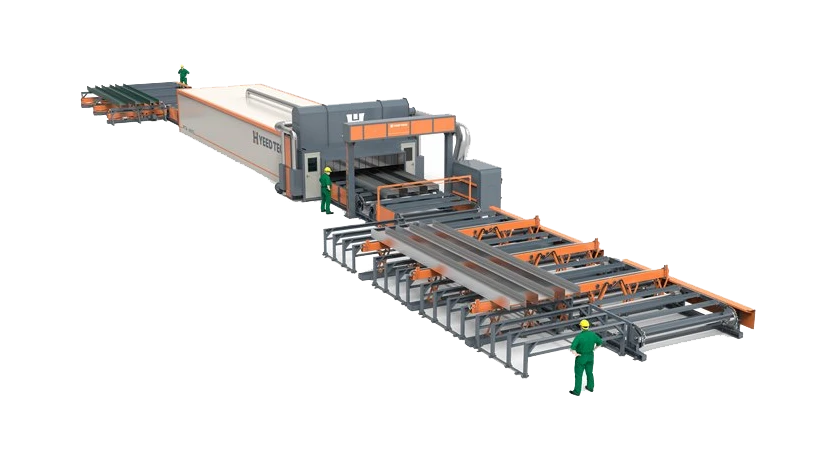
Having spent a good while around industrial equipment—especially on steel fabrication floors—I can say this 55-meter-long automatic painting line for steel structure with 3d scanning is a bit of a game changer. Especially if you care about both precision and throughput, the kind of combo that used to feel like a tough balance.
First off, the length. At 55 meters, this line is no compact setup you squeeze into a corner. It’s a full-on, heavy-duty production beast designed for serious structural steel components—think girders, frameworks, and large prefabricated sections. Oddly enough, the scale lets it handle complex jobs where manual painting would simply take forever or risk uneven coverage.
Now what really grabbed my attention is the integration of 3D scanning tech. Frankly, 3D scanning isn’t just a fancy add-on here; it’s the spine of quality control. Before painting even starts, the system scans every nook and cranny of the steel piece, mapping out exact dimensions and surface details. This information lets the automated spray nozzles tune their pattern and flow dynamically, which not only saves paint but ensures uniform thickness—critical for corrosion protection and aesthetics alike.
When I first walked past a test run, I noticed how the scanning caught subtle surface irregularities, helping operators decide if pre-treatment was needed. This is crucial—because even in automated lines, the prep phase can’t be rushed. From my experience, many engineers overlook that and end up with flaky finishes or premature failures.
Let’s look at what a typical spec sheet looks like for something like this:
| Feature | Specification |
|---|---|
| Line Length | 55 meters |
| Max Steel Structure Size | 10m (W) x 8m (H) x 55m (L) |
| Painting Method | Automated high-volume spray with variable flow control |
| 3D Scanning Accuracy | ±0.5 mm |
| Throughput | Up to 6 large structures/hour |
| Paint Types Supported | Epoxy, polyurethane, zinc-rich primers |
Speaking of paint types, flexibility is a big win of this system. Customers I've chatted with appreciate that switching between coatings doesn’t require hours of manual cleaning or recalibration. It’s all managed seamlessly, again thanks to the real-time feedback loop from the scanners, ensuring the drying and curing stations align perfectly with the paint specs.
Customization options are pretty solid, too. The line can be tailored for wider steel profiles or higher ceilings if your components aren’t quite the “standard” size. I suppose that’s just how modern industrial solutions have to be—modular and scalable. Nothing worse than investing in fixed infrastructure that can’t keep up with slightly different project needs.
Here’s a quick comparison I put together based on what I’ve seen from various vendors offering painting lines with some automation and scanning features:
| Vendor | Line Length | 3D Scanning | Accuracy | Max Throughput |
|---|---|---|---|---|
| Yeeeed | 55 m | Integrated & real-time | ±0.5 mm | 6/hour |
| Competitor A | 40 m | Partial / offline | ±1.2 mm | 4/hour |
| Competitor B | 50 m | Yes, but limited zones | ±0.8 mm | 5/hour |
From my perspective, the tight integration you see with the 55-meter-long automatic painting line for steel structure with 3d scanning definitely puts it ahead in terms of precision and efficiency. It’s not just about slapping paint on steel; it’s about doing it smartly, reducing rework, and boosting throughput. I suppose that’s why a mid-sized fabricator I know switched to this line last year—and reported a 25% cut in coating defects within the first quarter.
In real terms, the way technology like this blends automation with data-driven insights helps keep industrial painting relevant and sustainable. That’s a big deal in a sector where waste and quality issues have haunted plants for decades.
If you’re involved in steel construction manufacturing, I’d say checking out solutions like this is worthwhile. It feels like the future of industrial coatings, now arriving on the shop floor.
Brief reference list:
- Industry Steel Fabrication Quarterly, 2023 edition.
- Technical specs from YeeeEd official documentation.
- Interviews with coating engineers at regional fab plants, 2023.
Latest News
-
Efficient automated hot air drying equipment for steel structure application
NewsApr.16,2026 -
Efficient hot air drying system for steel structure spraying line
NewsApr.09,2026 -
Optimizing Steel Structure Spraying with Hot Air Drying Technology Solutions
NewsApr.07,2026 -
HighEfficiency Hot Air Drying Painting Equipment for Superior Industrial Coatings
NewsApr.04,2026 -
Optimizing Industrial Processes with Hot Air Furnace Heating Spraying Systems
NewsMar.31,2026 -
Comprehensive Tailormade Steel Structure Spraying Solution for Enhanced Durability
NewsMar.28,2026 -
Optimizing Steel Structure Protection through Customization and Integration of Spraying System
NewsMar.26,2026