Optimize Logistics and Reduce Metal Beam Price with Lifting Jacks
Loading and unloading heavy steel components often presents a significant operational bottleneck for warehouses and fabrication plants. When managing containerized shipments, the reliance on expensive external cranes or forklifts can drive up operational overhead and introduce unnecessary safety risks. For enterprises seeking a more agile approach, the transition toward specialized container lifting jacks offers a sustainable way to optimize landing operations without the massive capital expenditure associated with traditional heavy machinery.
These lifting systems are engineered to integrate seamlessly with standard container corner fittings, allowing for precise vertical movement and stability. By utilizing synchronized hydraulic power, these devices eliminate the need for constant crane availability, significantly reducing the time containers spend occupying loading bays. This technical shift not only improves throughput but also empowers smaller facilities to handle high-tonnage loads with minimal manual intervention, transforming the logistics of steel structure transport.

Engineering the Efficiency of Container Landing Operations
The primary challenge in container logistics is the "last mile" of unloading, where the container must be stabilized and lifted to allow for goods extraction. Conventional methods often depend on expensive rental equipment, which creates a dependency on third-party schedules. The introduction of specialized lifting jacks addresses this by providing an on-site, permanent solution. These systems utilize high-pressure hydraulic cylinders designed to interface directly with the ISO corner castings of conventional container models.
From a technical perspective, the efficiency of these jacks stems from their ability to operate independently or in synchronization. When four units are deployed, they create a stable lifting platform that can support significant tonnage while maintaining a level plane. This is critical when dealing with sensitive steel components or heavy machinery inside the container, as any tilt during the lifting process could lead to cargo shifts or safety hazards. By providing a controlled, slow-speed lift, operators can ensure a safer working environment and more predictable cycle times.
Furthermore, the integration of remote control systems allows the operator to maintain a safe distance from the load while observing the lifting status in real-time. This capability is essential for identifying potential obstructions or stability issues before they become critical. For factories and warehouses with low to medium throughput, this investment represents a shift from variable operational costs to a fixed asset that pays for itself by eliminating daily crane rental fees.

Core Technical Features and Lifting Mechanisms
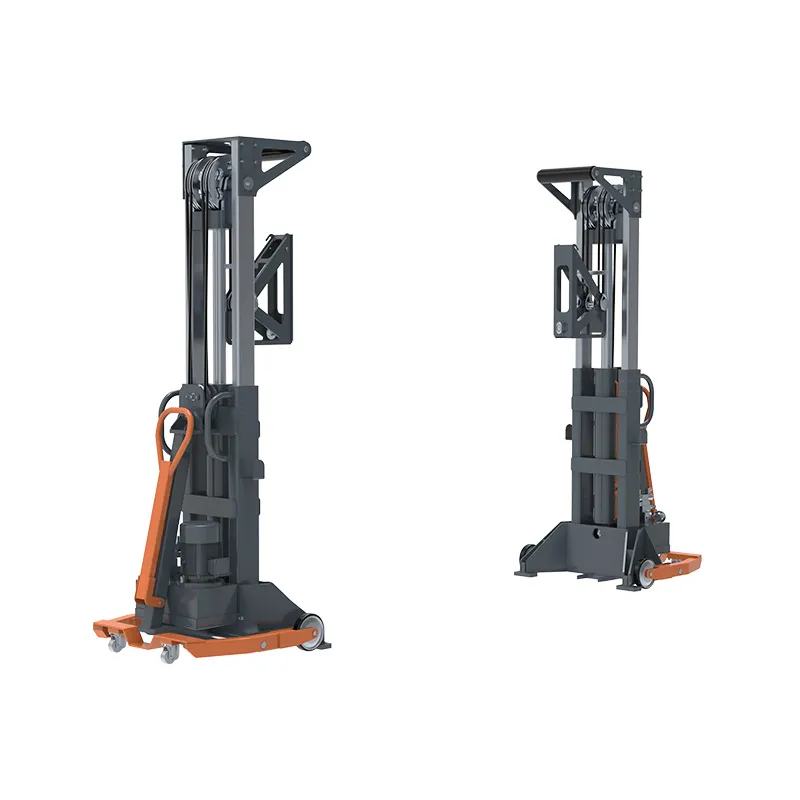
The structural integrity of the lifting jacks is centered around a robust hydraulic lifting device capable of delivering 8 tons of force per unit. In a standard four-point configuration, the total combined lifting capacity reaches 32 tons, making it suitable for the majority of standard industrial shipping containers. To ensure versatility, the upper card slots are designed for adjustability, allowing the equipment to accommodate containers of varying heights and dimensions without requiring a different set of tools.
Key technical advancements include:
- Synchronous and Individual Lifting: The system supports both simultaneous ascent of all four jacks for level lifting and individual adjustment to compensate for uneven ground surfaces.
- Corner Fitting Clamping: A specialized clamping device ensures a secure, locked connection with the container's corner fittings, preventing any slippage during the operation.
- Electric Hydraulic Power: The use of electric hydraulic systems removes the need for manual pumping, reducing labor fatigue and increasing the speed of the landing process.
- Space-Saving Design: The arm rests are designed to fold quickly, minimizing the equipment's footprint when not in use and reducing the risk of collisions in crowded warehouse environments.
To further assist in operational speed, the top of the device is equipped with a roller mechanism. This allows the jacks to slide more easily into position under the container, reducing the time spent on alignment. The "plug and play" nature of the quick-connect groups means that assembly time is minimized, allowing the equipment to be deployed and operational within minutes of arrival at the loading dock.
Operational Application and Buyer Considerations
For procurement managers and operations engineers, selecting the right lifting equipment requires a balance between initial investment and long-term operational savings. While traditional crane services may seem convenient, the cumulative cost of hiring external equipment often exceeds the purchase price of a dedicated lifting jack system. The primary value proposition here is the elimination of "waiting time"—the period where labor is idle while waiting for a forklift or crane to become available.
Typical application scenarios include:
- Steel Fabrication Shops: Where large steel beams and components are delivered in containers and need to be landed for processing.
- Medium-Scale Warehouses: Facilities that handle a steady but not overwhelming volume of container traffic and want to internalize their logistics.
- Remote Project Sites: Locations where access to heavy rental machinery is limited or prohibitively expensive.
When evaluating these systems, buyers should focus on the compatibility of the clamping devices with their specific container fleet and the ease of movement. For sites where forklifts are already available, the more economical clamping device option is recommended, as the equipment can be moved into position using existing tools. For sites requiring maximum autonomy, the fully integrated electric hydraulic version is the preferred choice. Ultimately, the goal is to reduce the metal beam price impact on the total project cost by lowering the logistics and handling expenses associated with the raw materials.
Technical Specifications and Performance Comparison
| Feature Parameter | Standard Unit Capacity | Full Set Capacity (4 Units) | Operational Mode |
|---|---|---|---|
| Lifting Force | 8 Tons | 32 Tons | Hydraulic Power |
| Control Method | Manual/Electric | Remote Control | Synchronous/Individual |
| Compatibility | ISO Corner Fittings | Standard Containers | Adjustable Height |
| Deployment Speed | Fast (Quick Connect) | High Efficiency | Plug and Play |
| Storage Footprint | Compact | Foldable Arms | Space-Saving |
Optimizing Logistics Costs in Steel Structure Production
In the competitive landscape of steel structure manufacturing, the total cost of ownership for raw materials is not just about the purchase price of the steel, but the efficiency of the entire production chain. Inefficient unloading processes lead to bottlenecks that delay cutting, welding, and painting phases. By implementing intelligent lifting solutions, companies can ensure a steady flow of materials from the transport container to the processing line, thereby increasing the overall utilization rate of their machinery.
The integration of these jacks into a wider automated workflow—such as those provided by YEED TECH—allows for a more cohesive production environment. When unloading is streamlined, it complements other intelligent solutions like high-power laser cutting and automated spraying lines. This holistic approach to the production process reduces the reliance on manual labor and minimizes the risk of human error during the handling of heavy metal components.
From a financial perspective, the shift from OpEx (operating expenses for crane rentals) to CapEx (capital expenditure for lifting equipment) provides better long-term predictability for budgeting. For enterprises scaling their operations, having dedicated equipment ensures that production schedules are not dictated by the availability of external service providers, providing a strategic advantage in meeting tight project deadlines.
Future Trends in Intelligent Material Handling
The industry is moving toward a future where "intelligence" is not just about the machine that cuts the steel, but the system that moves it. We are seeing a trend toward more integrated sensing technology within lifting jacks, where load cells can provide real-time weight distribution data to the operator, further enhancing safety and precision. This data-driven approach allows for better auditing of incoming shipments and ensures that lifting limits are never exceeded.
Moreover, the push for "green" logistics is driving the adoption of more energy-efficient hydraulic systems. The transition from diesel-powered heavy lift equipment to electric-hydraulic systems reduces the carbon footprint of the warehouse and eliminates harmful emissions in enclosed loading bays. As safety regulations become more stringent globally, the demand for remote-operated, synchronized lifting systems will only grow, as they physically remove the operator from the "danger zone" under the load.
For companies looking to remain competitive, the focus should be on creating a seamless transition from the delivery truck to the fabrication table. Investing in flexible, scalable equipment like container lifting jacks is the first step in removing the logistical friction that often inflates the final cost of steel projects. By optimizing these small but critical touchpoints, manufacturers can deliver higher value to their end customers.
Frequently Asked Questions About Container Lifting Equipment
What is the maximum load capacity of a full set of lifting jacks?
A complete set consisting of four lifting devices provides a total lifting capacity of 32 tons, with each individual unit contributing 8 tons of lifting force.
Can these jacks be used with all standard shipping containers?
Yes, the corner fitting clamping devices are designed to be compatible with the standard corner fittings of conventional container models available on the market.
How does the remote control improve the unloading process?
The remote control allows operators to observe the lifting status from a safe distance and adjust individual lifting platforms separately to ensure the load remains level.
Is it possible to lift each corner independently?
Yes, the system supports both synchronous lifting for balanced elevation and individual lifting to accommodate uneven ground or specific positioning needs.
What makes these jacks a cost-effective alternative to cranes?
They eliminate the recurring cost of hiring cranes and forklifts for every landing operation, requiring only a one-time investment with very low operating costs.
How do the adjustable card slots benefit different container sizes?
The height of the upper card slot can be adjusted up and down, ensuring a tight and stable fit for containers of various dimensions, which improves operational safety.
Industry Technical References
- ISO Standards for Freight Containers
- OSHA Guidelines for Material Handling and Lifting
- World Shipping Council - Container Logistics
- ASME Standards for Hydraulic Power Systems
By integrating advanced hydraulic lifting technology, enterprises can significantly reduce the logistical overhead of their steel structure production. If you are looking to optimize your warehouse throughput and eliminate the cost of external crane rentals, our container lifting solutions provide the perfect balance of power, safety, and economic value.
Related Industry Insights