Efficient Production for Cheap Metal Garages for Sale
For enterprises specializing in the production of prefabricated steel structures, the efficiency of the finishing process often determines the overall project timeline and cost-effectiveness. When manufacturers search for cheap metal garages for sale, they are typically looking for a balance between initial investment and long-term durability. However, the real value lies in the precision of the coating process. Manual spraying is increasingly becoming a bottleneck, leading to uneven thickness, excessive paint waste, and high labor costs. To address these operational challenges, integrating intelligent automation into the steel component painting line is essential for achieving industrial-grade consistency and reducing overhead.

Automating the Surface Treatment of Large-Scale Steel Structural Components
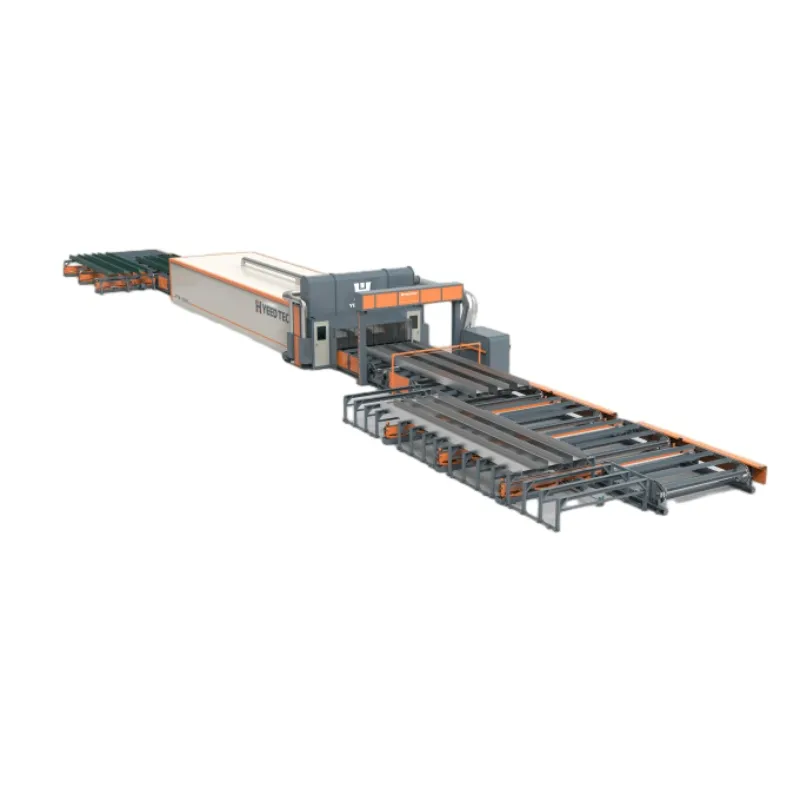
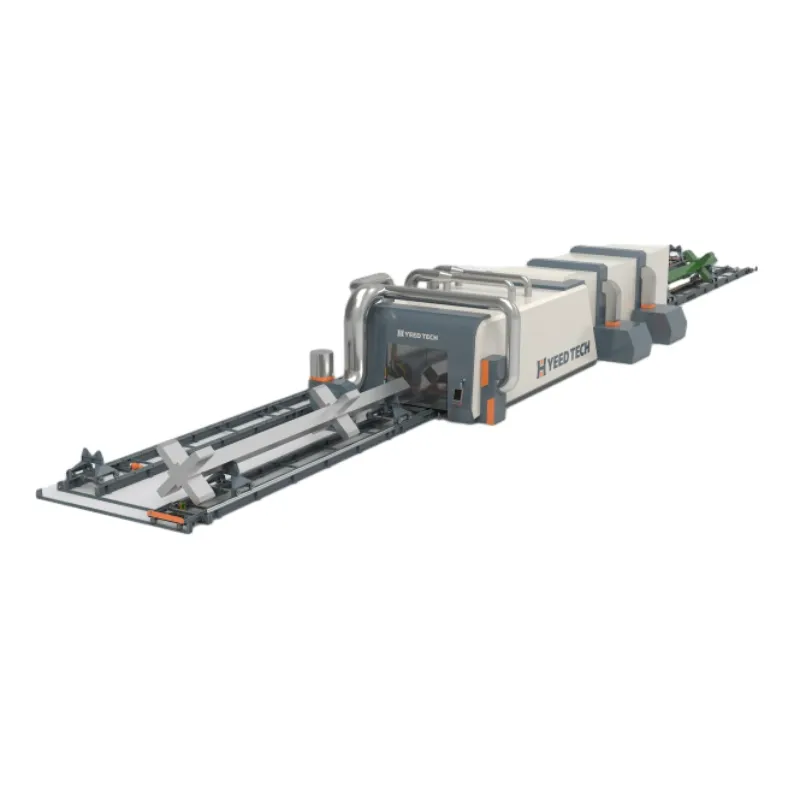
The production of steel structures requires a rigorous approach to surface protection to prevent corrosion and ensure structural integrity. Traditionally, this was a labor-intensive process. The introduction of fully automatic intelligent production lines transforms this by integrating 3D scanning and robotic precision. By employing a longitudinal conveying device, large components can move seamlessly through the system, eliminating the need for repetitive manual repositioning.
A key technical advantage of this system is the use of a chain T-shaped support design. This ensures that spacing between support points is uniform and contact points coincide, which allows the spraying process to remain unobstructed. For manufacturers, this means a significant reduction in subsequent paint repair work, directly increasing the throughput of the facility and ensuring that the final product meets strict quality standards without the variability of human error.

Precision Engineering Through 3D Model Scanning and Intelligent Spraying
Modern steel fabrication involves complex geometries. To handle this, the intelligent spray painting line utilizes a comprehensive 3D scanning system. This recognition system automatically draws the shape pattern of the steel components, allowing the robotic arms to intelligently stop spraying on placement gaps, bolts, and brackets. This targeted application prevents paint buildup in non-critical areas and saves substantial amounts of material.
The system features two sets of spray guns, each equipped with six nozzles oriented in different directions. These are automatically programmed based on the 3D scanning results to determine exactly when and which nozzle should activate. This level of control ensures a uniform coating across all surfaces, which is critical for the longevity of the steel structure, while simultaneously optimizing the cost per unit by minimizing overspray.
Energy-Efficient Drying Systems and Environmental Control
The curing process is where many manufacturers lose energy and time. To optimize this, the system integrates a Natural Gas Catalytic Infrared Radiation Drying System using French Sunkiss Matherm infrared heating plates. Unlike traditional gas-phase combustion, this system utilizes flameless combustion on a catalyst surface, preventing energy loss caused by visible light emission. The result is a drying process that is high-efficiency, energy-saving, and environmentally friendly.
Furthermore, because the system operates as a reciprocating paint booth, it is far more effective at treating paint mist and harmful gases. The lower processing air volume significantly reduces the environmental treatment costs for the enterprise. After the fast-drying phase, components are ready for immediate loading, which saves critical warehouse space by removing the need for large stacking areas for wet components.
Technical Comparison: Manual vs. Intelligent Spraying
| Evaluation Metric | Manual Spraying | Intelligent System | Industrial Impact |
|---|---|---|---|
| Coating Uniformity | Variable/Low | High Precision | Reduced rework rates |
| Paint Consumption | High (Overspray) | Optimized (Targeted) | Significant cost saving |
| Labor Intensity | Very High | Low (One-click) | Lower operational cost |
| Drying Efficiency | Slow/Ambient | Rapid Infrared | Faster cycle times |
| Environmental Load | High Mist Emission | Controlled Treatment | Lower compliance cost |
Strategic Procurement Considerations for Steel Fabrication Equipment
When evaluating equipment for steel structure production, procurement managers must look beyond the initial price tag. The total cost of ownership is influenced by energy efficiency, material waste, and the ability to scale production without adding proportional labor. A system that integrates 3D scanning and automated travel adjustment reduces the interval between batches, which means the equipment is utilized more effectively over a 24-hour period.
Reliability and long-term support are equally critical. In the heavy machinery sector, the ability to access remote technical support and have equipment files retained for decades ensures that the production line remains operational as the business grows. Choosing a supplier that provides global on-site service prevents costly downtime that can jeopardize project deadlines in the construction and infrastructure sectors.
The Future of Steel Structure Processing: Integration and Intelligence
The industry is moving toward a complete integration of cutting, forming, welding, and painting. The goal is to replace traditional manual labor with systems that are not only automated but intelligent. Intelligence in this context means the equipment can adapt to different 3D models without manual reprogramming, allowing for a high degree of customization in the steel components produced.
As environmental regulations tighten, the shift toward catalytic infrared drying and advanced smoke control will become mandatory rather than optional. Companies that invest in these sustainable technologies today will find themselves more competitive in a market that increasingly values green manufacturing and carbon footprint reduction. The balance between quality, quantity, and cost is now achieved through software-driven hardware optimization.
Frequently Asked Questions About Intelligent Painting Lines
How does 3D scanning improve the paint quality of steel components?
3D scanning allows the system to recognize the exact geometry of the component, identifying bolts, brackets, and gaps. The system then programs the spray guns to apply paint only where needed, ensuring a uniform coat and preventing wasteful buildup in non-critical areas.
What are the energy benefits of the catalytic infrared drying system?
The system uses flameless combustion on a catalyst surface via French Sunkiss Matherm plates. This avoids the energy loss associated with visible light emission found in standard gas combustion, resulting in higher efficiency and lower fuel consumption.
Can this system handle components of varying sizes?
Yes, the equipment features intelligent adjustment of travel distance between batches and a longitudinal conveying device, allowing it to process a wide range of large steel structural components efficiently.
How does the system reduce environmental treatment costs?
By utilizing a reciprocating paint booth design, the system more effectively treats paint mist and harmful gases with a lower overall processing air volume, reducing the load on environmental filtration systems.
What happens to the paint in gaps and brackets?
The recognition system intelligently stops spraying on placement gaps and brackets, which prevents the common problem of paint "pooling" and reduces the need for manual sanding or repair work after drying.
Is on-site support available for global installations?
Yes, Yeed Tech provides global on-site service as well as remote technical support to ensure that the intelligent production lines are correctly installed and maintained.
Technical References and Industry Standards
- ISO Standards for Steel Structure Coating and Quality Control
- American Welding Society - Guidelines for Steel Fabrication
- Industry Best Practices for Automated Surface Treatment
- Environmental Protection Agency - Industrial Coating Emission Standards
Optimizing the steel production process requires a strategic shift from manual labor to intelligent automation. By integrating 3D scanning and energy-efficient curing, manufacturers can achieve a superior finish while lowering their environmental impact and operational costs.
Related Equipment and Solutions